Your Top Resource For Seniors
Your Top Resource For Elder Abuse & Neglect
Three U.S. senators and two U.S. representatives are scrutinizing the financial practices of three major nursing home operators as the industry resists a new federal regulation introduced by the Biden administration that would set mandatory minimum staffing levels.
On Sunday, Senators Elizabeth Warren, Bernie Sanders, and Richard Blumenthal, along with Representatives Jan Schakowsky and Lloyd Doggett, sent letters to the top executives of three prominent nursing home chains. They raised concerns about substantial expenditures on executive compensation, stock buybacks, and dividends at a time when the industry is contesting the proposed staffing mandate.
The correspondence, endorsed by the four Democratic members and Sanders, who is an independent from Vermont, highlighted that National Healthcare Corp., the Ensign Group Inc., and Brookdale Senior Living Inc. have collectively disbursed nearly $650 million on executive salaries, share repurchases, and dividends since 2018. The legislators argue that such spending challenges the industry's assertions that it lacks the financial resources to meet the staffing requirements stipulated by the new rule.

Industry opposition centers on the federal mandate announced last month by the Biden administration, which stipulates that nursing homes receiving federal funding must ensure minimum daily staffing that includes 0.55 hours of care by a registered nurse and 2.45 hours by a certified nursing aide per resident. This rule, which aims to mitigate neglect and care delays—a concern highlighted during the COVID-19 pandemic when over 200,000 nursing home residents and staff perished—will be gradually implemented over the next two to three years.
However, the nursing home industry, represented by the American Health Care Association (AHCA), has expressed significant reservations. AHCA's president and CEO, Mark Parkinson, described the staffing rule as "an impossible task," citing a critical nationwide shortage of caregivers and the need for hundreds of thousands more staff members.
Nonprofit nursing home representatives, such as Katie Smith Sloan, president and CEO of LeadingAge, also foresee difficulties with implementing the new standards due to workforce shortages and the high costs associated with recruiting, training, and retaining staff. Sloan cautioned that the regulation could lead to restricted admissions, fewer available beds, and potentially, nursing home closures.
Amid these challenges, the five lawmakers are pressing the three companies for details on their corporate spending, particularly how they determine executive remuneration and its correlation to care quality or profits. They are also seeking information on average salaries, tenure of registered nurses and nurse aides, and any employee feedback regarding staffing and compensation. Furthermore, the legislators are inquiring about the companies' expenditures on lobbying activities, especially those aimed at opposing the federal staffing rule.
In the United States, the concept of claiming someone as a dependent on your tax return is usually associated with children. However, did you know that under certain circumstances, you may also be able to claim your parent as a dependent? Here, we'll explore this intriguing and often-overlooked aspect of elder care and taxation.
The Internal Revenue Service (IRS) allows taxpayers to claim qualifying individuals as dependents in order to offset the costs associated with their care. This could potentially lead to tax benefits, like an increased deduction from your taxable income. While this is commonly associated with children, the IRS's definition of a dependent is broader, and may, in some cases, include parents.
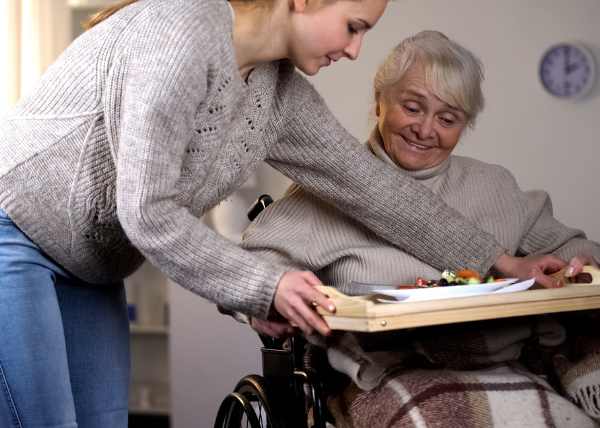
Yes, you potentially can. However, the IRS has set forth specific conditions, all of which must be met for you to claim your parent as a dependent:
As of 2021, your parent's gross income for the year must be less than $4,300. This amount doesn't include non-taxable income, such as Social Security benefits. Please check the current year's IRS guidelines for updated figures.
You must provide more than half of your parent's total support costs during the year. This includes living expenses such as food, housing, medical expenses, transportation, and other necessities.
The IRS doesn't require that parents live with you in the traditional sense. However, they must be classified as a U.S. citizen, U.S. national, U.S. resident alien, or a resident of Canada or Mexico.
Your parent cannot be claimed by someone else as a qualifying child.
If your parent is married, they cannot file a joint return with their spouse, unless it's only for a tax refund.
If you meet these criteria, congratulations, you can potentially claim your parent as a dependent and take advantage of the tax benefits.
The primary benefit of claiming your parent as a dependent is the potential for tax savings. As of 2021, for each qualifying dependent, you may be eligible to claim a tax credit, which reduces your overall tax liability.
Keep in mind, the tax laws are complex and change frequently, and this information is subject to updates and alterations by the IRS. Also, it's important to remember that each person’s situation is unique, and there might be other factors at play that could affect your eligibility to claim your parent as a dependent.
Navigating tax laws can be a complex task, and when it involves elder care, it can become even more challenging. That's why it's often beneficial to seek the assistance of a professional who specializes in this area. Elder law attorneys are equipped with the knowledge and expertise to help you understand your rights, obligations, and any potential benefits available to you.
If you're considering claiming your parent as a dependent, we highly recommend contacting an elder law attorney. They can help ensure you're fully compliant with IRS regulations, while also ensuring you're taking full advantage of any tax benefits to which you're entitled.
As our loved ones age, they may need extra support to navigate the complexities of life. From understanding medical information to navigating social services, advocating for senior citizens can be a daunting task. However, with a little knowledge and a lot of compassion, families can be powerful voice for their senior members. This blog post aims to provide practical tips on senior care and how to advocate for senior citizens.

The first step in advocating for seniors is understanding their needs and wants. This could involve spending quality time with them, discussing their daily routines, observing any challenges they face, and making notes of their health conditions. Listening to their concerns will help you better represent their interests and ensure their needs are met.
Understanding senior rights, services, and the healthcare system is vital in advocating for a senior loved one. Familiarize yourself with important aspects like Medicare, Medicaid, elder law, and the different forms of senior care available. Resources like the National Council on Aging and the Eldercare Locator can provide valuable information.
Effective communication skills are more tips on how to advocate for senior citizens. Whether you're talking with doctors, social service providers, or even your loved one, be clear, concise, and respectful. Don't hesitate to ask for clarifications and always ensure that the senior's perspective is considered in all decisions.
Working closely with healthcare providers, create a comprehensive care plan that addresses your senior loved one's needs. This should include their medication schedules, dietary needs, physical activities, and regular medical appointments. The plan should also encompass their mental and social well-being.
A comprehensive care plan for a senior citizen is a detailed document that outlines their current health conditions, medications, healthcare providers, and ongoing care needs. It is a collaborative effort involving the senior, their caregivers, family members, and healthcare professionals. Here are some key components often included in a senior care plan:
This includes the senior's name, date of birth, emergency contacts, health insurance details, and information about their living situation.
This section provides an overview of the senior's health. It includes their medical history, current health conditions, allergies, and any recent surgeries or hospitalizations.
A detailed list of the senior's current medications, dosage, frequency, and prescribing doctor is essential. This includes prescription medications, over-the-counter drugs, and any dietary supplements.
Details about the healthcare professionals involved in the senior's care – including primary care physicians, specialists, physical therapists, home health aides, etc. – should be included.
These are the health and wellness objectives for the senior. They might include things like improving mobility, managing a chronic condition, recovering from surgery, maintaining mental health, etc.
This outlines regular care activities, such as medication times, exercise or therapy sessions, meal times, and doctor's appointments.
If the senior has any dietary requirements or restrictions, these should be included in the plan. This could include information about meals, snacks, and fluid intake.
If physical activity or therapy is part of the senior's regimen, it should be detailed in the care plan. This can include the types of exercises, frequency, and duration.
This section addresses the senior's mental health and social needs. It might include activities that stimulate the mind (like puzzles or reading), emotional support needs, and social interaction plans.
If the senior has any mobility or cognitive issues, safety measures to prevent accidents or wandering should be outlined.
If the senior has legal documents like a Living Will or Healthcare Power of Attorney, these should be referenced in the plan.
This covers what to do and who to contact in case of an emergency.
Since a senior's condition and needs can change over time, the care plan should be reviewed and updated regularly.
A well-thought-out care plan ensures everyone involved in a senior's care is on the same page, and helps to provide the best possible care for the senior's unique needs. It's also a helpful tool for communication between caregivers and healthcare providers.
Another tip on how to advocate for seniors is to develop relationships with your loved one’s healthcare providers, social workers, and any other professionals involved in their care. They can provide you with crucial insights and advice regarding your loved one's health and care requirements.
Legal issues often come up when advocating for seniors. This may involve creating a Power of Attorney, setting up an Advance Healthcare Directive, or managing their estate and finances. Engage an elder law lawyer if necessary to ensure these matters are handled correctly.
Caregiving can be stressful, and burnout is a real concern. Develop a support network of friends, family, and professionals who can share responsibilities. This not only ensures consistent care for your loved one but also helps prevent caregiver fatigue.
Lastly, always remember that it's crucial to respect the autonomy and independence of your senior loved one. Understand their fears, empathize with their situation, and work together to create solutions that best suit their preferences and needs.
Knowing how to advocate for senior citizens is crucial when you become a caregiver. While it can be challenging, remember that your advocacy can significantly improve the quality of your loved one's life. Equipped with the right knowledge and support, families can become effective advocates for their senior members, ensuring they get the care and respect they deserve.
Retirement is a major life transition that can be both exciting and overwhelming. One of the biggest decisions you may face during this time is choosing where you will live. There are a variety of retirement living options available, each with their own unique advantages and disadvantages. In this blog post, we'll explore three of the most common retirement living options: independent living, assisted living, and continuing care retirement communities.

Let's take a look at the most common retirement living options.
Independent living communities are designed for active seniors who are able to live on their own and do not require daily assistance. These communities typically offer a variety of amenities and services, such as:
Independent living communities also provide a maintenance-free lifestyle, as they handle housekeeping, landscaping, and other chores.
One of the biggest advantages of independent living is the sense of community that it provides. Residents have the opportunity to socialize with others who share their interests, and many communities offer organized activities and events. Independent living is also a good option for seniors who want to downsize from their current home but do not want to sacrifice their independence.
Assisted living communities are designed for seniors who require some daily assistance with activities of daily living (ADLs), such as bathing, dressing, and medication management. These communities provide 24-hour care and support, including meals, housekeeping, and transportation. Assisted living communities also offer social activities and events to help residents stay engaged and connected.
One of the biggest advantages of assisted living is the level of support and care that residents receive. The staff at assisted living communities are trained to provide personalized care and support, and residents have access to medical care as needed. Assisted living is a good option for seniors who need some daily assistance but want to maintain their independence as much as possible.
Continuing Care Retirement Communities (CCRCs) offer a full range of care options, including independent living, assisted living, and skilled nursing care. CCRCs are designed to meet the changing needs of seniors as they age, allowing residents to age in place without having to move to a new community as their care needs increase.
One of the biggest advantages of CCRCs is the peace of mind they provide. Residents know that they will be able to receive the care and support they need as they age, without having to uproot their lives and move to a new community. CCRCs also provide a sense of community and socialization, as residents have the opportunity to interact with others who share their interests.
In conclusion, choosing a retirement living option is a major decision that should be made with careful consideration. Whether you choose independent living, assisted living, or a CCRC, it's important to weigh the advantages and disadvantages of each option and choose the one that best meets your needs and preferences.
As you age and independence becomes less realistic, many seniors end up living in nursing home facilities. Nursing homes are long-term care facilities that provide 24-hour nursing care and assistance with daily living activities for elderly individuals or those with chronic medical conditions or disabilities. These facilities are typically licensed and regulated by state and federal agencies and may provide a range of services, including medical care, physical therapy, occupational therapy, and personal care assistance.
Nursing homes are designed for individuals who require a higher level of care than can be provided in assisted living or independent living communities. They may also offer specialized services for individuals with specific health conditions, such as:
Nursing homes typically have a team of healthcare professionals, including:
Some nursing homes may also provide social and recreational activities to help residents stay engaged and connected. Residents typically have their own private or semi-private room and receive:
It's important to note that nursing homes can be quite expensive and may require significant financial resources or assistance from government programs, such as Medicaid or Medicare, to cover the cost of care. Additionally, choosing a nursing home can be a difficult decision for families, and it's important to thoroughly research and visit potential facilities before making a decision.
While nursing homes can provide important care and support for older adults and individuals with chronic medical conditions, they also have several potential disadvantages that should be carefully considered when making a decision about long-term care. Here are some common disadvantages of nursing homes:
Nursing homes can be quite expensive, with average costs ranging from $5,000 to $10,000 per month depending on the location and level of care needed. Many individuals may need to rely on government programs such as Medicaid or Medicare to cover the cost of care.
Moving into a nursing home can be a difficult transition for many older adults, and it may feel like a loss of independence or control over their own lives. Residents may have limited choices or freedoms, such as when they can eat when they can leave the facility, and what activities they can participate in.
While many nursing homes provide excellent care and support, there have been reports of abuse, neglect, and poor quality of care in some facilities. It's important to research potential nursing homes thoroughly and visit in person to ensure that they meet high standards of care.
Residents of nursing homes may be at risk for social isolation and loneliness, especially if they do not have regular visitors or participate in social activities. This can have negative effects on mental and physical health.
Because nursing homes care for many residents with different needs and conditions, it can be difficult to provide personalized care and attention to each individual. Some residents may feel that they are not receiving the attention or care that they need.
It's important to carefully consider these potential disadvantages when making a decision about long-term care for yourself or a loved one. It may be helpful to explore alternative options, such as assisted living, in-home care, or community-based services, that may better meet your needs and preferences.
Falls are a leading cause of injury among older adults, with one in four seniors experiencing a fall each year. These incidents can have serious consequences, including fractures, head injuries, and loss of independence. However, by taking some preventive measures and making small changes in their living environment, seniors can significantly reduce their risk of falling. Here are some fall protection tips to keep your loved ones safe and maintain their independence.

Physical activity is crucial for maintaining strength, balance, and flexibility, which are essential for preventing falls. Encourage your loved ones to participate in activities such as walking, swimming, tai chi, or yoga. Always consult with a healthcare provider before starting any exercise program.
Some medications can cause dizziness or drowsiness, increasing the risk of falls. Regularly review your loved one's medications with their healthcare provider and discuss any potential side effects or interactions.
Wearing well-fitting, non-slip shoes can help prevent falls. Encourage your loved ones to avoid walking in socks, slippers, or bare feet. Additionally, ensure that their shoes are in good condition and replace them when needed.
Make the home environment safer by eliminating trip hazards and providing adequate lighting. Some tips include:
Consider using assistive devices such as canes, walkers, or reachers to help maintain balance and avoid falls. It's essential to choose the right device and have it properly fitted by a healthcare professional.
Poor vision or hearing can increase the risk of falls. Encourage your loved ones to have regular check-ups and update their glasses or hearing aids as needed.
Encourage seniors to stay socially connected with friends and family, as isolation can lead to inactivity and poor mental health. Regular social interactions can help maintain overall well-being and promote a healthy lifestyle.
There are several potential fall hazards for seniors in their daily living environments. Identifying and addressing the risk for falls can help prevent falls and improve safety. Some common fall hazards include:
Inadequate lighting in rooms, hallways, and stairways can make it difficult for seniors to see obstacles and navigate their living spaces safely.
Items such as loose rugs, electrical cords, or general clutter on the floor can pose tripping hazards.
Uneven flooring, wet or slippery surfaces in bathrooms or kitchens, and transitions between different types of flooring can increase the risk of falls.
Stairs without handrails or with worn, slippery, or uneven steps can be challenging and dangerous for seniors to navigate.
Wearing ill-fitting shoes, shoes with slippery soles, or walking in socks or slippers can contribute to falls.
The absence of grab bars in bathrooms and handrails on stairs or in hallways can make it difficult for seniors to maintain balance and stability.
Unstable or unsecured furniture, such as wobbly chairs or tables, can pose a risk if seniors attempt to use them for support.
High door thresholds or transitions between rooms can be a tripping hazard, particularly if they are not easily visible.
Pets can inadvertently cause falls by getting underfoot, and pet toys or supplies left on the floor can pose additional tripping hazards.
Some medications may cause side effects like dizziness, drowsiness, or low blood pressure, which can increase the risk of falls.
Poor vision or hearing can make it difficult for seniors to navigate their environment safely and recognize potential hazards.
Chronic health conditions, such as Parkinson's disease, arthritis, or neuropathy, can affect a senior's balance, strength, and mobility, increasing their fall risk.
To minimize the risk of falls, it's essential to assess seniors' living environments regularly and make any necessary modifications to improve safety. Encourage seniors to engage in regular exercise, maintain good overall health, and communicate any concerns or changes in their health to their healthcare provider.
According to the U.S. Centers for Disease Control and Prevention (CDC) data available in 2021:
Contact Senior Advocate Center Today to learn how you can keep your loves ones safe.
Below is a list of frequently asked questions (FAQs) about seniors slipping and falling:
A: Seniors are at a higher risk of falling due to factors such as age-related physical changes, loss of muscle strength, reduced balance and coordination, chronic health conditions, and side effects from medications. These factors may contribute to an increased risk of slipping, tripping, or losing balance.
A: Common causes of falls among seniors include:
A: Falls can cause a wide range of injuries, including:
A: If a senior falls, first ensure their safety and check for injuries. If they have suffered a severe injury or are unable to move, call for emergency medical assistance. If the injury is minor, help them get up safely and monitor their condition. It is essential to inform their healthcare provider about the fall, as they may need to assess the individual's overall health and fall risk.
A: Yes, falls can have long-term consequences for seniors. These may include chronic pain, reduced mobility, loss of independence, and a decline in overall health. Additionally, falls can lead to a fear of falling, which may result in decreased activity and social isolation, further exacerbating health issues.
Fall protection for seniors is essential to ensure their safety and well-being. By following these simple tips, you can help reduce the risk of falls and keep your loved ones healthy and independent. Remember, it's never too early or too late to start implementing fall prevention strategies.