Your Top Resource For Seniors
Your Top Resource For Elder Abuse & Neglect
When entrusting the care of a loved one to a nursing home, ensuring their safety and well-being becomes a top priority. Unfortunately, nursing home violations occur more frequently than many realize, potentially putting vulnerable residents at risk. Understanding how to check for these violations can empower families to make informed decisions and take appropriate action when necessary.
At Senior Advocate Center, we believe that knowledge is power. This comprehensive guide will walk you through the process of investigating nursing home violations, understanding regulatory standards, and knowing when to seek legal assistance.
If your family member has suffered from nursing home violations, don't face this challenge alone. Contact Senior Advocate Center today for a confidential consultation and learn how we can help hold negligent facilities accountable.
Nursing homes are required to adhere to strict federal and state regulations designed to protect residents. These standards cover everything from staff qualifications and facility maintenance to medication management and resident rights. When facilities fail to meet these standards, nursing home violations are documented through various inspection processes.
The consequences of these violations extend beyond regulatory penalties. They directly impact resident health, safety, and quality of life. Some violations may seem minor on paper but can significantly affect day-to-day living conditions. Others present immediate and serious threats to resident welfare.
Regular monitoring of nursing home violations allows families to:
Victims of nursing home violations may be eligible for various types of financial compensation through legal action. Understanding these potential damages can help families make informed decisions when pursuing justice for their loved ones.
Nursing homes must comply with both state and federal regulations to ensure resident safety and well-being. The following violations may warrant legal action if they cause harm to residents.
The Centers for Medicare & Medicaid Services (CMS) maintains a comprehensive database of nursing home inspections and violations through their Nursing Home Compare website.
To use this valuable resource:
This tool provides detailed information about health inspections, fire safety inspections, and complaints filed against the facility. Each nursing home receives an overall rating from one to five stars, with separate ratings for health inspections, staffing, and quality measures.
The health inspection rating is particularly valuable for identifying nursing home violations. This section details specific deficiencies found during standard surveys, complaint investigations, and facility-reported incidents.
While the federal database provides excellent information, state-level resources often contain additional details about nursing home violations:
State agencies typically conduct annual inspections and investigate complaints, documenting any residential care facility violations they discover. These reports may include information not available in the federal database and often provide more context about the nature and severity of violations.
Every state has a Long-Term Care Ombudsman program that advocates for nursing home residents. These programs can provide valuable insights about nursing home violations and living facility quality:
Ombudsmen regularly visit nursing homes and work directly with residents. This gives them firsthand knowledge of conditions that may not yet appear in official records of nursing home violations.
While official records of nursing home violations provide critical information, personal observation remains invaluable. When visiting a facility:
Document any concerns that might indicate potential residential care facility violations, including dates, times, and specific observations. These notes can be valuable if you need to file a complaint or consult with a nursing home abuse lawyer.
When reviewing documentation of nursing facility violations, you'll encounter specific terminology and categorization systems that require interpretation.
Nursing home violations are typically categorized based on their severity and potential impact on residents:
The number and severity of violations provide insight into a facility's overall compliance with care standards.
Understanding the most frequent categories of nursing home violations can help you identify potential red flags:
When reviewing facility records, pay particular attention to repeated nursing home violations in the same category, as these may indicate systemic problems rather than isolated incidents.
If your research reveals concerning nursing home violations, or if you observe potential issues during visits, taking appropriate action is essential.
Create a detailed record of all nursing home violations you've discovered through research or personal observation. Include:
This documentation will be valuable regardless of what action you ultimately take.
For less serious nursing home violations, speaking directly with facility leadership may resolve the issue:
Document all communications, including who you spoke with, when, and what was discussed.
If the facility is unresponsive or the nursing home violations are serious, filing a formal complaint is appropriate:
The agency will typically conduct an unannounced inspection to investigate the reported nursing home violations.
The ombudsman can advocate on behalf of residents when nursing home violations affect quality of care or resident rights:
This resource is free and confidential, making it an excellent starting point for many families.
In cases where nursing home violations have resulted in serious harm, consulting with a nursing home abuse lawyer may be necessary. Legal counsel is particularly important if:
A nursing home abuse lawyer can evaluate the situation, advise on potential legal actions, and help protect the rights of your loved one and other residents.
While identifying existing nursing home violations is crucial, preventing future problems through ongoing vigilance is equally important:
Your active involvement can help deter nursing home violations and ensure prompt identification of emerging issues.
The landscape of nursing home regulation continues to evolve. Recent changes aimed at reducing nursing home violations include:
Staying informed about these developments can help you better understand and interpret nursing home violation reports.
When nursing home violations harm residents, a skilled nursing home abuse lawyer can employ numerous legal strategies to secure justice and prevent future misconduct. Our attorneys at Senior Advocate Center utilize these powerful tools to hold negligent facilities accountable.
At Senior Advocate Center, we represent victims of nursing home violations across a wide spectrum of mistreatment and neglect scenarios. Our legal team is committed to pursuing justice for elderly and vulnerable residents who have suffered harm due to facility negligence or misconduct.
If your family member has suffered from nursing home violations, don't face this challenge alone. Contact Senior Advocate Center today for a confidential consultation and learn how we can help hold negligent facilities accountable.
What is the statute of limitations for nursing home violation cases? Most states allow between one to three years to file a lawsuit for nursing home violations, but this timeframe varies by location and can be affected by when the violation was discovered rather than when it occurred. Consulting with a nursing home abuse lawyer promptly ensures you don't lose your right to pursue compensation.
How much does it cost to hire an attorney for a nursing home violation case? Senior Advocate Center handles nursing home violation cases on a contingency fee basis, meaning you pay no upfront costs and we only collect fees if we secure compensation for your loved one. This arrangement makes legal representation accessible regardless of financial situation.
Can I sue a nursing home for violations if my loved one has since passed away? Yes, families can pursue legal action for nursing home violations even after a resident has passed away. These claims may be filed as wrongful death suits or survival actions depending on the circumstances and applicable state laws.
What evidence is most important in nursing home violation cases? Medical records, facility documentation, photographs of injuries, witness statements, and state inspection reports are particularly valuable in establishing nursing home violations. Our team works quickly to secure and preserve all relevant evidence before it can be altered or destroyed.
How long do nursing home violation cases typically take to resolve? While some nursing home violation cases settle within months, more complex situations may take one to two years, especially if the case proceeds to trial. Our attorneys work efficiently while still ensuring we pursue the maximum compensation possible for your family.
Are nursing homes required to report violations to state authorities? Yes, federal and state regulations require nursing homes to self-report certain types of incidents, injuries, and violations. However, facilities often fail to properly document or report these events, making independent investigation crucial.
What's the difference between civil and criminal proceedings for nursing home violations? Civil lawsuits for nursing home violations seek financial compensation for victims, while criminal charges aim to punish wrongdoers with fines or imprisonment. Some serious violations may trigger both types of proceedings, which can proceed simultaneously.
Can I remain anonymous when reporting nursing home violations? Many state agencies allow anonymous reporting of nursing home violations to protect whistleblowers from retaliation. However, if you later decide to pursue legal action, your identity will eventually need to be disclosed during the legal process.
How can I transfer my loved one from a facility with nursing home violations? If immediate safety is a concern, contact your local long-term care ombudsman or adult protective services while simultaneously searching for alternative facilities. A nursing home abuse lawyer can help facilitate this transition while preserving evidence of violations.
Will the nursing home retaliate against my loved one if we report violations? Federal law strictly prohibits retaliation against residents for reporting nursing home violations. If you observe any adverse treatment following a complaint, document it immediately and contact your attorney, as this constitutes additional grounds for legal action.
What role do state surveys play in identifying nursing home violations? State health departments conduct regular unannounced inspections to identify nursing home violations and ensure compliance with regulations. These surveys, along with their findings and facility responses, become public records that can provide valuable evidence in legal cases.
Can I install a camera in my loved one's nursing home room to monitor for violations? Laws regarding electronic monitoring in nursing homes vary significantly by state. Some states expressly permit camera installation with proper notice, while others have restrictions or require facility and roommate consent. Before installing any monitoring device, consult with a nursing home abuse lawyer about the legality in your jurisdiction.
How are damages calculated in nursing home violation cases? Compensation is determined by factors including medical costs, pain and suffering, emotional distress, and the nature and severity of the nursing home violations. In cases involving particularly egregious conduct, punitive damages may also be available to punish the facility.
What happens to the nursing home if violations are proven? Facilities found responsible for serious nursing home violations may face monetary penalties, increased oversight, required operational changes, or in extreme cases, license revocation. These consequences can occur through both the legal system and regulatory enforcement.
Are corporate nursing home chains handled differently in violation cases? Large nursing home corporations often employ complex legal structures designed to shield assets and limit liability for violations. Our attorneys have experience navigating these corporate webs to identify all responsible parties and access appropriate insurance coverage and corporate resources.
How can I verify if complaints or violations have been previously filed against a nursing home? Nursing home violations and complaint histories can be researched through Medicare's Nursing Home Compare website, state health department databases, and by requesting facility records directly. Our team can assist with compiling and interpreting this information.
What if the nursing home claims I signed an arbitration agreement? Many nursing home admission contracts contain arbitration clauses attempting to prevent residents from filing lawsuits for violations. However, these agreements can often be challenged based on signing capacity, unconscionability, or failure to properly explain the terms. Never assume an arbitration agreement prevents legal action without consulting an attorney.
Can nursing home staff be held personally liable for violations? Individual staff members can face personal liability for nursing home violations in addition to facility responsibility, particularly in cases involving intentional misconduct, abuse, or actions outside the scope of employment. Both the facility and specific employees may be named in legal actions.
What should I do if the nursing home denies any violations occurred? Facilities frequently deny responsibility for nursing home violations despite clear evidence. When this happens, documenting all observations, preserving communications, and consulting with a nursing home abuse lawyer promptly become even more crucial to establishing the truth.
How can I help strengthen my loved one's nursing home violation case? Keep detailed records of all facility visits, staff interactions, and observed conditions; photograph any visible injuries or concerning conditions; maintain a timeline of events; save all correspondence with the facility; and promptly report concerns through official channels while also consulting with an attorney.
Are nursing homes required to conduct criminal background checks on employees? Federal regulations require nursing homes to screen all employees and contractors through state and federal criminal background databases before hiring. Facilities that fail to properly screen staff or hire individuals with disqualifying criminal conviction histories may face serious nursing home violations and liability for subsequent harm to residents.
What information is included in nursing home employee background checks? Comprehensive background screenings for nursing home staff must include federal and state criminal records, sex offender registries, exclusion lists from federal healthcare programs, and abuse registries maintained by each state. Some facilities also check credit histories, employment verification, professional licensing records, and driver records, where applicable, to ensure staff meet all regulatory requirements and don't pose risks to vulnerable residents.
Can nursing homes hire employees with expunged or sealed criminal records? While expunged records are generally hidden from public view, healthcare facilities often have access to sealed criminal records, including felony expungements, through specialized background check systems. Nursing homes that discover concerning criminal record reports through these enhanced screenings typically cannot hire those individuals for direct care positions.
What happens if a nursing home employee commits a crime while working at the facility? When nursing home staff commit crimes against residents, both the individual employee and the facility may face liability for nursing home violations. The facility can be held responsible for inadequate supervision, improper hiring practices, or failure to respond appropriately to warning signs of problematic behavior.
In the complex landscape of long-term care facilities, few systems are as critical to resident safety and well-being as call light systems. These essential communication tools serve as a lifeline between nursing home residents and professional staff, ensuring that those in need can summon assistance quickly and efficiently. At Senior Advocate Center, we understand that navigating the regulatory framework surrounding nursing home call light regulations can be challenging for families and residents alike. This comprehensive guide aims to clarify these important standards and what they mean for your loved ones in care facilities.
Don't let nursing home negligence go unchallenged. Our experienced attorneys are ready to evaluate your case and fight for the justice and compensation your loved one deserves. Contact us today for a confidential, no-obligation consultation.
Call light systems, sometimes referred to as call bells, nurse call systems, or patient communication systems, are the primary method by which residents alert staff when they require assistance. These systems typically consist of:
The fundamental purpose of nursing home call light regulations is to ensure these systems function properly and that nursing home staff members respond to calls in a timely manner. Without effective call systems and prompt responses, nursing home residents face increased risks of falls, medical complications, and diminished quality of life.
At Senior Advocate Center, we understand that violations of nursing home call light regulations can lead to serious harm and suffering for vulnerable residents. If your loved one has been affected, you may be entitled to the following types of financial compensation:
The Centers for Medicare and Medicaid Services (CMS) establishes the federal standards for nursing homes through their Conditions of Participation. These requirements form the foundation of nursing home call light regulations across the country.
The Code of Federal Regulations (42 CFR § 483.90(g)) specifically addresses call system requirements, stating that nursing homes must equip:
These federal nursing home call light regulations establish minimum standards that all Medicare and Medicaid-certified facilities must meet. Facilities failing to maintain compliant call systems risk citations, penalties, and potentially losing their certification.
CMS provides interpretive guidelines to surveyors who inspect nursing homes. These guidelines clarify that call systems must:
The guidelines emphasize that the intent of nursing home call light regulations is to ensure residents can effectively communicate their needs to staff from any location within the facility where residents are permitted.
While federal regulations provide a baseline, many states impose additional nursing home call light regulations with more specific requirements:
Several states have enacted nursing home call light regulations that specifically mandate maximum response times:
These time-based nursing home call light regulations aim to prevent situations where residents wait excessive periods for assistance with critical needs like toileting, pain management, or medical emergencies.
Some states' nursing home call light regulations include detailed technical requirements:
These technical specifications ensure that call systems remain functional and accessible to residents with varying physical capabilities.
Many state nursing home call light regulations include provisions for professional staff training:
Proper staff training is essential to effective implementation of nursing home call light regulations, as even the most advanced systems are only as effective as the staff responding to them.
As technology evolves, nursing home call light regulations have adapted to incorporate newer capabilities:
Modern systems often include location tracking features that allow facilities to:
These advanced systems help facilities demonstrate compliance with nursing home call light regulations through objective data rather than subjective observations.
Many facilities now implement call systems that integrate with electronic health records, allowing:
This integration creates a more comprehensive picture of resident care and helps identify areas where additional support may be needed.
Contemporary nursing home call light regulations increasingly account for wireless and mobile technologies:
These technological advancements enhance both compliance with nursing home call light regulations and the quality of care residents receive.
Despite clear nursing home call light regulations, violations remain common in long-term care settings:
Surveyors frequently cite facilities for:
These equipment failures directly violate nursing home call light regulations and place residents at significant risk.
Another common area of non-compliance involves response times:
When facilities fail to meet appropriate response times under nursing home call light regulations, residents may suffer preventable injuries or discomfort.
Facilities are often cited for:
Proper documentation is essential for demonstrating compliance with nursing home call light regulations during surveys and inspections.
Adherence to nursing home call light regulations directly affects multiple aspects of resident care with adverse consequences:
Properly implemented call systems significantly improve resident safety by:
Each of these safety benefits aligns with the core purpose of nursing home call light regulations.
Beyond safety, call light systems impact residents' quality of care through:
These quality of life factors represent the human element behind nursing home call light regulations.
Effective implementation of nursing facility call light regulations also benefits staff by:
When properly implemented, these systems support both residents and the staff who care for them.
Facilities that fail to adhere to nursing home call light regulations face significant legal consequences:
Non-compliance can trigger:
These regulatory penalties provide strong incentives for facilities to maintain compliance with nursing home call light regulations.
Beyond regulatory issues, facilities may face:
These civil cases often cite violations of nursing home call light regulations as evidence of negligence or substandard quality of care.
At Senior Advocate Center, our nursing home abuse lawyers leverage decades of experience to secure justice for victims of negligence and ensure long-term care facilities meet their legal obligations to residents.
At Senior Advocate Center, we represent residents and families affected by nursing home call light violations, fighting for justice when facilities fail to maintain proper emergency response systems and protocols.
Families play a crucial role in ensuring compliance with nursing home call light regulations:
Before selecting a nursing facility, families should inquire about:
These questions help identify facilities that take skilled nursing facility call light regulations seriously.
Once a loved one is in residence, families can:
Active family involvement helps ensure ongoing compliance with nursing home call light regulations.
At Senior Advocate Center, we understand the devastating impact that nursing home call light violations can have on vulnerable residents. If your loved one has experienced harm due to delayed responses or malfunctioning call systems, here are the immediate steps you should take:
Don't let nursing home negligence go unchallenged. At Senior Advocate Center, our experienced attorneys are ready to evaluate your case and fight for the justice and compensation your loved one deserves. Contact us today for a confidential, no-obligation consultation.
What is the statute of limitations for filing a lawsuit related to call light violations? Most states allow between one to three years from the date of injury or its discovery to file a nursing home negligence lawsuit, including those involving call light violations. However, this timeframe varies significantly by state, and certain exceptions may apply when injuries are discovered later.
Are nursing homes required to have written policies about call light response times? Federal regulations require nursing homes to have written policies and procedures for all aspects of resident care, including call light response protocols. These policies must be available for review by residents, families, and regulatory agencies upon request.
Can a nursing home be held liable if a resident falls while waiting for call light assistance? Yes, if it can be demonstrated that the facility failed to respond to a call light within a reasonable time and this delay directly contributed to the resident's fall, the nursing home may be held legally liable for resulting injuries and damages.
Does signing a nursing home admission agreement waive a resident's right to sue for call light negligence? No, federal law prohibits nursing homes from requiring residents to waive their right to sue for negligence or abuse as a condition of admission or continued stay. Any such clauses in admission agreements are generally considered unenforceable.
What evidence is most valuable in proving call light response failures? Electronic call system logs, witness testimony from other residents or visitors, medical records documenting injuries, contemporaneous notes or journals recording incidents, and state inspection reports citing response time deficiencies are all powerful forms of evidence in call light negligence cases.
Can a nursing home legally disable or remove call lights from "frequent users"? No, deliberately disabling or removing call lights from any resident is illegal and violates both federal and state regulations. Each resident has the legal right to a functioning call system regardless of how frequently they use it.
Are there different legal standards for emergency versus routine call light responses? Yes, while federal regulations don't specify exact response times, many state regulations and facility policies distinguish between emergency and routine calls. Emergency calls typically require immediate response, and facilities can face enhanced liability for delayed responses to clearly marked emergency situations.
How do staffing requirements relate to call light compliance from a legal perspective? Nursing homes must maintain sufficient staff to meet residents' needs, including timely call light responses. Chronic understaffing that leads to call light violations can establish a pattern of corporate negligence, potentially supporting claims for enhanced or punitive damages.
Can families install private monitoring systems to document call light response times? Many states now permit families to install cameras or monitoring devices in resident rooms with proper notification, which can document call light usage and response times. However, specific laws governing electronic monitoring vary significantly by state.
What regulatory penalties can facilities face for call light violations? Facilities with documented call light violations may face civil monetary penalties ranging from hundreds to thousands of dollars per day, mandatory corrective action comprehensive plans, increased inspection frequency, and in severe cases, suspended admissions or termination from Medicare/Medicaid programs.
Are there specific legal protections against retaliation for reporting call light violations? Federal law prohibits nursing homes from discriminating or retaliating against residents who exercise their rights, including reporting call light violations. Facilities that engage in retaliatory actions face additional regulatory penalties and potential civil liability.
How does a facility's call light compliance history affect legal proceedings? Courts often allow evidence of past call light violations as proof of notice and pattern, particularly if the facility had previously been cited for similar deficiencies. This historical evidence can significantly strengthen negligence claims and potentially support punitive damages.
What responsibility do third-party call system manufacturers have in negligence cases? Equipment manufacturers may share liability if call system failures resulted from design defects, inadequate installation instructions, or insufficient maintenance guidance. These product liability claims often require specialized expert testimony to establish.
When the time comes to consider care options for aging loved ones, many families find themselves weighing the differences between assisted living and nursing homes. At Senior Advocate Center, we understand that this decision can be challenging and emotionally complex. The right choice depends on understanding each option thoroughly, including the level of care provided, the costs involved, and the overall living experience.
Assisted living facilities and nursing homes represent two distinct approaches to senior care, each designed to meet different needs and preferences. The primary distinction lies in the level of medical attention and daily assistance provided.
Assisted living communities are residential settings that offer support with daily activities while promoting independence. Residents typically have their own apartments or rooms and receive help with tasks like medication management, bathing, dressing, and meal preparation. These communities emphasize social engagement and quality of life, providing amenities such as communal dining, recreational activities, and transportation services.
Nursing homes, also called skilled nursing facilities, provide more intensive medical care and 24-hour supervision by licensed healthcare professionals. They serve seniors with complex health conditions, severe mobility limitations, or cognitive impairments that require constant monitoring and specialized treatments. Nursing homes often resemble medical facilities more than residential settings, though many modern facilities strive to create a more homelike atmosphere.
Assisted living facilities typically provide:
Most assisted living communities employ staff who are trained in senior care but may not have advanced medical credentials. While some facilities may have nurses on staff or on call, they generally do not provide skilled nursing care or complex medical treatments.
Nursing homes offer more comprehensive medical services, including:
These facilities maintain higher staff-to-resident ratios and employ healthcare professionals like registered nurses, licensed practical nurses, and certified nursing assistants. Physicians typically visit regularly to oversee care plans.
The financial implications of choosing between assisted living and nursing homes are significant and often influence the decision-making process.
Assisted Living Costs
Assisted living generally costs less than nursing home care, with national averages ranging from $3,000 to $6,000 per month, depending on location, amenities, and level of care needed. Most assisted living communities use a tiered pricing structure with a base rate covering housing and basic services, plus additional fees for extra assistance.
These costs are typically paid privately, though some long-term care insurance policies may provide coverage. Veterans benefits or state-specific programs might also offer some financial assistance.
Nursing Home Costs
Nursing homes represent a more substantial financial commitment, with monthly costs averaging between $7,000 and $12,000 nationwide. The higher price reflects the intensive medical care, specialized staff, and round-the-clock supervision provided.
Unlike assisted living, nursing home care may be covered by:
It's important to note that Medicare coverage for nursing home care is limited to short-term rehabilitation stays of up to 100 days, and specific conditions must be met.
The physical environment and daily lifestyle differ substantially between these two senior living options.
Assisted Living Environments
Assisted living communities often resemble apartment complexes or resort-style communities. Residents typically enjoy:
These communities place strong emphasis on social engagement, offering a calendar of activities, outings, and events designed to foster connections and combat isolation.
Nursing Home Environments
Traditional nursing homes have historically featured more clinical settings, though modern facilities increasingly incorporate homelike elements. Typical features include:
While the medical focus is paramount in nursing homes, quality facilities recognize the importance of socialization and meaningful activities. Many offer modified recreational programs tailored to residents' abilities and interests.
The decision between assisted living and nursing homes should be guided by the individual's health status, care needs, and personal preferences.
Assisted Living May Be Appropriate When:
Nursing Home Care May Be Necessary When:
When researching potential facilities, different evaluation criteria apply to assisted living communities versus nursing homes.
Assessing Assisted Living Facilities
Key factors to consider include:
Evaluating Nursing Homes
For nursing homes, assessment should focus on:
The Centers for Medicare & Medicaid Services (CMS) provides nursing home ratings through their Five-Star Quality Rating System, which can be a helpful starting point for evaluation.
Many seniors begin in assisted living but eventually require the higher level of care provided in nursing homes. Understanding this potential progression is important for long-term planning.
Some important considerations regarding transitions include:
Some continuing care retirement communities (CCRCs) offer multiple levels of care on one campus, allowing seniors to transition from independent living to assisted living to nursing care without changing facilities. This option provides continuity but typically involves substantial entrance fees.
The legal frameworks governing assisted living and nursing homes differ significantly, affecting everything from admission agreements to resident rights.
Assisted Living Legal Framework
Assisted living regulations vary by state, with less standardization than nursing homes. Important legal considerations include:
Nursing Home Legal Protections
Nursing homes operate under more comprehensive federal regulations, including:
At Senior Advocate Center, we recommend having legal counsel review all contracts before signing, regardless of which option you choose.
The process of choosing between assisted living and nursing homes should involve:
The choice between assisted living and nursing homes ultimately comes down to matching the senior's needs with the appropriate level of care. Both options can provide safety, support, and quality of life when properly selected and monitored.
At Senior Advocate Center, we understand the complexity of this decision and the impact it has on families. We encourage thorough research, careful consideration of current and future needs, and open communication with all involved parties. By approaching this choice methodically and with complete information, families can find settings where their loved ones will receive appropriate care in an environment that respects their dignity and enhances their quality of life.
Remember that the goal is not just meeting basic needs but creating the conditions for meaningful living in whatever setting is chosen. Whether that's an assisted living community that maximizes independence or a nursing home that provides necessary medical support, the right choice is the one that best serves the individual's unique circumstances.
Navigating senior care decisions can be overwhelming. Our attorneys at Senior Advocate Center are ready to help you understand your legal options and protect your loved one's rights. Contact us today to schedule a confidential consultation and take the first step toward peace of mind.
Can a family member be forced to pay for nursing home or assisted living costs? Adult children are generally not legally responsible for their parents' care costs. However, there are exceptions in some states with "filial responsibility" laws. Spouses may have financial responsibility depending on state laws and whether Medicaid is involved.
What happens if a resident runs out of money in assisted living? When private funds are depleted, options include applying for Medicaid (though not all assisted living facilities accept it), exploring veterans benefits, negotiating with the facility for a reduced rate, or transitioning to a nursing home that accepts Medicaid.
Is it possible to challenge an involuntary discharge from either type of facility? Yes. Both assisted living and nursing homes must follow specific procedures for discharges. Nursing homes have stronger federal protections, requiring proper notice and valid reasons. Residents have the right to appeal discharge decisions, and legal representation can be valuable in these cases.
How can I ensure proper care in either setting if I live far away? Consider hiring a geriatric care manager for regular check-ins, establish relationships with staff members, set up video calls with your loved one, arrange for local friends to visit, and review care documentation during your visits. Some families also use technology like room monitors with the resident's consent.
What legal documents should be in place before moving to assisted living or a nursing home? Essential documents include a durable power of attorney, healthcare proxy, living will, HIPAA authorization forms, and possibly a revocable trust. Having these documents properly executed before a significant cognitive decline helps ensure the resident's wishes are honored.
How do I handle suspected abuse or neglect in either setting? Document your observations with dates, times, and descriptions. Report concerns to the facility administrator in writing. Contact your state's long-term care ombudsman and adult protective services. For serious situations, consider consulting with an elder law attorney. In emergencies, call 911.
Can residents in either setting maintain their right to vote? Yes, residents in both assisted living and nursing homes retain their voting rights. Facilities should provide assistance with registration, absentee ballots, or transportation to polling places. If these rights are being hindered, contact your local election board or an elder law attorney.
Navigating the landscape of nursing homes can be overwhelming, especially for seniors and their families seeking the best care and living conditions. It's crucial to be aware of your rights and the standards that nursing homes are legally bound to uphold. While many nursing homes provide excellent care, it's important to understand what they are not allowed to do to ensure the well-being and safety of their residents. If you suspect elder abuse of any kind, call your state's elder abuse reporting hotline.
There are different types of elder abuse, neglect, and exploitation, all of which are examples of things nursing homes are not allowed to do. Ensure you're protecting yours and your family members' rights by familiarizing yourself with these examples.
Nursing homes are strictly prohibited from subjecting residents to any form of physical, emotional, or psychological abuse. This includes physical restraints, verbal threats, humiliation, or any behavior that causes harm to residents' mental or emotional well-being.
Nursing homes must provide residents with appropriate care, including assistance with daily living activities, medication management, and medical attention. Neglecting residents' needs, such as ignoring hygiene, nutritional requirements, or medical treatment, is not allowed.
Nursing home residents have the right to manage their finances independently. Staff members are not allowed to exploit residents financially or manipulate them into signing over assets, property, or documents.
Residents have the right to proper medication management. Nursing homes are not allowed to administer incorrect medications, overmedicate, or withhold medication without valid medical reasons.
Nursing homes are legally required to provide a safe and secure environment for residents. Failure to maintain proper safety measures, such as preventing slip and fall hazards, fire safety protocols, and infection control, is not permitted.
Nursing homes cannot restrict residents' contact with family members, friends, or external support. Residents have the right to maintain connections with loved ones and engage in social activities.
Residents are entitled to nutritious meals and adequate hydration. Nursing homes must provide well-balanced meals that meet residents' dietary needs and preferences.

If you suspect elder abuse in a nursing home, it's important to take immediate action to ensure the safety and well-being of the vulnerable residents. Here's a step-by-step guide on what you should do:
Remember, acting promptly and decisively is crucial when elder abuse is suspected. Your actions can help prevent further harm and ensure that the nursing home is held accountable for any violations.
Nursing home residents have specific rights that are legally protected to ensure their safety, dignity, and quality of life. These rights are designed to maintain a nurturing and respectful environment for seniors who call nursing homes their home. Some key rights of nursing home residents include:
It's important for seniors and their families to understand these rights and advocate for their loved ones' well-being. Nursing homes are obligated to uphold these rights and provide a safe, supportive environment for residents to thrive in their golden years.
Recognizing signs of neglect in a nursing home requires careful observation and attention to detail. Some common indicators include noticeable changes in a resident's physical appearance, such as sudden weight loss, untreated wounds, poor hygiene, or bedsores. Behavioral changes like withdrawal, depression, or anxiety can also suggest neglect. Pay attention to the overall environment—dirty living spaces, inadequate staffing, and lack of maintenance can be signs of neglectful care. Additionally, unexplained falls, medication errors, or frequent infections may point to inadequate attention from the staff. Families should regularly engage in conversations with their loved ones and communicate with nursing home staff to ensure that any concerns are promptly addressed.
Nursing homes should not restrict residents' access to their personal finances without a valid reason and clear consent. Residents have the right to manage their financial affairs, pay bills, and make transactions as they see fit. If a resident requires assistance due to cognitive or physical limitations, nursing homes should provide support while respecting their autonomy.
Nursing homes are not allowed to charge hidden fees to residents. The fees and charges associated with residing in a nursing home should be clearly outlined and transparent from the outset. Families and residents have the right to receive comprehensive information about the costs involved, including accommodation, services, and any additional charges.
Yes, nursing homes are required to have safety protocols in place for emergencies to ensure the well-being and safety of their residents. Federal and state regulations mandate that nursing homes establish comprehensive emergency preparedness plans to address various types of emergencies, such as fires, natural disasters, power outages, and medical crises. Families and residents should inquire about the facility's emergency preparedness plans to ensure that their loved ones are well-protected in any unforeseen situation.
Yes, there are legal consequences for nursing homes that violate resident rights. Nursing home residents have specific rights that are protected by federal and state laws to ensure their dignity, safety, and well-being. If a nursing home fails to uphold these rights, it can face serious legal repercussions. Violations can lead to fines, penalties, or even the revocation of the facility's license to operate. Additionally, residents and their families have the right to pursue legal action against the nursing home for damages resulting from rights violations.
Navigating the aging process with a loved one is an emotionally complex journey. The decision to consider nursing home care can be one of the most challenging and sensitive conversations to have with a family member. It requires a balance of compassion, understanding, and pragmatism. Here, we will explore some key signs indicating that it might be time for this important transition.
Let's go over some signs it might be time for a loved one to enter a nursing home.

Chronic illnesses or progressive health conditions, such as dementia, Alzheimer's, or Parkinson's, can reach a point where they are unmanageable at home. If your loved one's medical needs have escalated beyond what can be managed with in-home care or outpatient services, it might be time to consider a nursing home.
Caregiving is a significant responsibility that often requires emotional, physical, and financial resources. If you or other family caregivers are experiencing burnout, it may be a sign that the current care situation is unsustainable. A nursing home can provide professional, round-the-clock care that may be impossible to match at home.
If your loved one is frequently hospitalized or requires regular medical attention, this is a clear indication that they need a higher level of care. Skilled nursing facilities can provide this level of care and help prevent further hospitalizations.
If your loved one is struggling with basic tasks such as bathing, dressing, eating, or moving around, it's a sign that they need additional help. Nursing homes have trained staff to assist with ADLs and can provide a safer environment for individuals with mobility or cognitive issues.
The safety of your loved one is paramount. Falls, wandering due to cognitive decline, or the inability to respond to emergencies like fires are serious concerns. A nursing home can offer a safe, structured environment with professionals trained to handle emergencies.
Older adults living alone can often become isolated, which can lead to depression and a decline in overall health. If your loved one is showing signs of social withdrawal or loneliness, a nursing home may provide the social interaction and stimulation they need.
Sudden changes in weight could indicate a health problem or difficulty with meal preparation and eating. A nursing home ensures your loved one receives nutritious meals and assistance with eating if needed.
If you notice that your loved one is not keeping up with their personal hygiene, this could be a sign of physical difficulty, cognitive decline, or depression. A nursing home will ensure that your loved one maintains good hygiene practices, which are crucial for their health and dignity.
If their home is uncharacteristically dirty, cluttered, or in disrepair, it could indicate that your loved one is unable to keep up with housekeeping tasks. This can pose a safety hazard, especially if it involves things like spoiled food or tripping hazards. A nursing home can provide a clean, safe environment, free from such concerns.
If your loved one is showing signs of confusion, such as forgetting to take medication, missing appointments, or being unable to recall recent events, it may be time to consider a nursing home. Nursing homes have trained professionals who can manage medication schedules and provide cognitive support.
Sudden changes in behavior or personality may be a signal of a health issue or an indication of the stress or fear your loved one is experiencing. This could include aggression, mood swings, or increased anxiety. In a nursing home, a team of health professionals can help manage these issues and provide appropriate interventions.
Caring for an elderly loved one at home can be costly. If you are exhausting resources, both financial and time-related, this may be a sign to consider a nursing home. These facilities can provide comprehensive care that might be more cost-effective in the long run.
Nursing homes, also known as skilled nursing facilities, play a crucial role in healthcare systems by providing a variety of services designed to meet the complex medical and personal needs of individuals who cannot care for themselves due to illness, injury, or advancing age. Here are several reasons why nursing homes are important:
Nursing homes are staffed with trained professionals including nurses, therapists, dieticians, and aides who can provide 24-hour medical supervision and assistance with activities of daily living (ADLs). This is especially important for individuals with chronic health conditions or those recovering from surgery or illness.
For seniors or individuals with disabilities, the home environment can pose many risks such as falls, medication errors, or difficulties in responding to emergencies. Nursing homes are designed to minimize these risks and provide a safe, secure living environment.
Living alone can lead to feelings of isolation and loneliness, which can negatively impact mental and physical health. Nursing homes offer opportunities for social interaction, recreational activities, and communal dining, fostering a sense of community among residents.
Caregiving can be physically, emotionally, and financially challenging for family members. By providing comprehensive care, nursing homes can alleviate these burdens and give families peace of mind knowing their loved ones are well taken care of.
Beyond physical and medical care, many nursing homes offer a range of services to cater to the overall well-being of residents. These can include physical and occupational therapy, nutritional services, mental health support, and various recreational and therapeutic activities.
For individuals with terminal conditions, the nursing facility provides palliative care aimed at relieving symptoms and providing comfort. They also often work with hospice services to provide compassionate end-of-life care.
Choosing a nursing home should be a thoughtful, careful process that involves the entire family, including the loved one in question (if possible). It should be done with respect and understanding of the emotional difficulty involved. Remember, the goal is to ensure your loved one is safe, comfortable, and receives the care they need as they age.
A: Approach the conversation with empathy and patience. Involve your loved one in the discussion as much as possible, acknowledging their feelings and concerns. It can be helpful to have information on hand about different care options and to stress that the goal is to ensure their safety and quality of life.
A: Resistance is common. It's essential to listen to your loved one's fears and concerns and address them as best you can. Explain the reasons for considering a nursing home and the benefits it can provide. Sometimes, involving a neutral third party such as a doctor, social worker, or geriatric care manager can help.
A: Yes, long-term care facilties are equipped to provide 24-hour medical care and assistance with a range of health needs. They are staffed by trained healthcare professionals who can manage complex medical conditions and provide rehabilitation services.
A: Consider factors such as the level of care needed, location, staff-to-resident ratio, cleanliness, food quality, activities for residents, and overall atmosphere. It's also important to visit potential homes, ask questions, and get feedback from residents and their families if possible.
A: Yes, there are many alternatives to nursing facilities, depending on the level of care required. These can include home care services, assisted living facilities, adult day care centers, and retirement communities. It's crucial to discuss these options with your loved one and their healthcare provider to determine the best fit.
A: Many nursing homes offer specialized care for residents with dementia or Alzheimer's. These services can include memory care units, trained staff, and therapies designed to slow cognitive decline and manage behavioral symptoms.
A: Open communication, reassurance, and frequent visits can help your loved one adjust. Try to personalize their new space with familiar items from home, involve them in activities at the facility, and ensure they know you'll continue to be a part of their life.
Choosing a memory care facility for a loved one can be difficult. It requires careful consideration of several factors to ensure that the facility fits the individual's needs. Here are some important factors to consider when choosing a memory care facility.
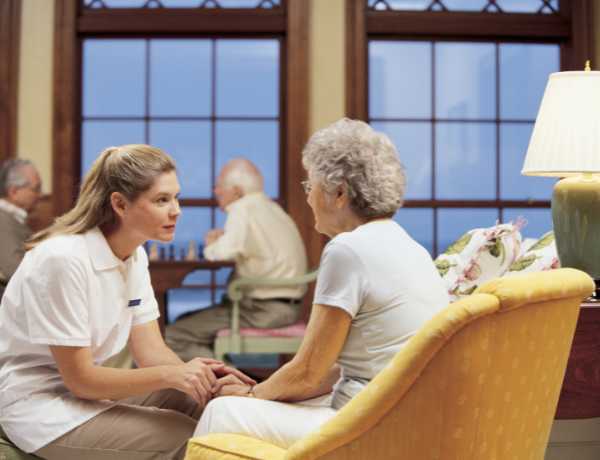
Choosing a memory care facility requires careful consideration of several factors. By considering these factors and doing thorough research, you can help ensure your loved one receives the care and support they need in a comfortable and secure environment.
It is important to ensure that the staff at the memory care facility are trained in caring for individuals with memory impairment. The staff should be knowledgeable about dementia and Alzheimer's disease and have the necessary skills to handle the unique needs of the residents.
Safety and security should be top priorities when choosing a memory care facility. Look for a facility that has a secure and monitored environment, with features such as locked doors and alarms to prevent residents from wandering.
Elders with cognitive ailments are at an increased risk of elder abuse. Makes sure to ask about how the memory care facility works to prevent elder abuse. Elder abuse can come in many forms, such as:
The living arrangements should be comfortable and accommodating for residents with memory impairments. This may include:
Residents in memory care facilities often require ongoing healthcare services. Look for a facility with access to:
to provide regular care and support.
Social and recreational activities can help improve the quality of life for individuals with memory impairments. Look for a facility that offers a variety of engaging activities and programs, such as:
The location of the memory care facility should be convenient for family and friends to visit. It is also important to consider accessibility, such as transportation options and proximity to medical facilities.
Memory care facilities can be costly, so it is important to consider the financial options available. Look for a facility that is transparent about its pricing and has clear policies around payment and insurance.
A Memory Care Facility is a specialized residential care facility that provides support and services specifically designed for individuals with:
These facilities offer a secure and safe environment, trained staff, specialized programming, and personalized care to help enhance the quality of life of those with memory-related illnesses.
The main difference between a memory care facility and a normal nursing home is that memory care facilities specialize in caring for individuals with Alzheimer's disease or other forms of dementia. Memory care facilities provide a safe and secure environment with staff trained in dementia care, specialized activities, and programs designed to help people with memory loss.
Normal nursing homes, on the other hand, provide general care for elderly individuals who require assistance with daily living activities or medical care.
While both facilities offer similar services, memory care facilities provide a more specialized and tailored approach to care for individuals with memory loss.
Various types of assistance can be helpful for individuals with Alzheimer's disease and other types of dementia. Some of the most common types of assistance include:
As the disease progresses, individuals with Alzheimer's may struggle with basic activities of daily living, such as:
Caregivers or personal care assistants can help with these tasks.
Memory aids, such as calendars, notes, and photographs, can help individuals with Alzheimer's disease remember important information and events.
Individuals with Alzheimer's disease may become disoriented or confused, which can increase the risk of accidents and injuries. Installing safety measures such as grab bars, non-slip mats, and secure locks can help prevent falls and other accidents.
Individuals with Alzheimer's disease need to take their medication as prescribed. Caregivers or family members can help manage medication schedules and ensure medication is taken correctly.
Social engagement can help individuals with Alzheimer's disease maintain their cognitive function and improve their quality of life. Caregivers can help facilitate social interactions and encourage participation in enjoyable and stimulating activities.
Caring for someone with Alzheimer's disease can be challenging and stressful. Caregiver support, such as respite care, counseling, and support groups, can help caregivers manage caregiving's emotional and physical demands.
As Alzheimer's disease progresses, individuals may become more prone to wandering or getting lost. Home modifications, such as installing alarms on doors and windows or using GPS tracking devices, can help prevent wandering and ensure that the individual stays safe.
Engaging in cognitive activities, such as puzzles or memory games, can help individuals with Alzheimer's disease maintain their cognitive function and slow the progression of the disease. Caregivers can provide these activities and encourage participation in social events and hobbies.
As individuals with Alzheimer's may forget to eat or drink, caregivers may need to ensure that the individual is getting proper nutrition and hydration. This may involve preparing meals or reminding the individual to eat and drink.
As the disease progresses, individuals with Alzheimer's disease may require end-of-life care. This may involve hospice care or palliative care to manage symptoms and provide comfort in the final stages of the disease.
Choosing the right memory care facility for your loved can be daunting, but Senior Advocate is here to help. Reach out today.
Asking the right questions is essential to finding the right nursing home for yourself or a loved one. Choosing a nursing home can be daunting, and asking the right questions is essential to ensure that the facility meets your needs and expectations. This blog will discuss some critical questions when looking for a nursing home.

Here is a list of important questions to ask a nursing home before picking them for you or your loved one.
The Joint Commission on the Accreditation of Healthcare Organizations (JCAHO) is an organization whose sole purpose is to inspect and accredit healthcare organizations and programs. This accreditation seals the requirements in:
Obtaining this accreditation is a crucial step for any medical facility as it sets them up to succeed in providing top-rate medical services nationwide that meet all required protocols.
Medicare also offers a certification that must be met if you expect financial assistance from them. It’s still wise to look for ones that satisfy a certain level of care even if your loved one has long-term care insurance, ensuring they receive the best possible quality of care. Researching certifications offered by JCAHO and Medicare can go a long way in deciding between various healthcare organizations or programs when selecting the ones best suited to your loved one’s needs.
Residents in nursing homes are more likely to contract infections than those living in the community due to their weak immune systems, close contact with other residents, and lacking hygiene practices. As such, facilities need good infection-control/prevention practices to reduce the spread of infections.
One of the most important questions is about the nursing home's staffing levels. You want to make sure that there are enough staff members to provide adequate care to the residents. The staffing ratios should be in line with state and federal regulations.
A nursing home staff with a long history of working for the facility is crucial. High staff turnover is hard for residents, especially in memory care facilities.
Knowing that the staff caring for your loved one has the necessary training and qualifications is essential. Ask about the nursing staff's education, experience, and certifications, including nurses, aides, and therapists.
Elder abuse and neglect are severe concerns in nursing facilities. Studies have shown that even though most nurses caring for elders do an excellent job, some individuals may be negligent or abusive in their care. Cases of elder abuse or neglect by nursing staff can take many forms, including:
Previous elder abuse or neglect by nursing staff has been reported nationwide. In some cases, nurses have been accused of emotional or physical abuse towards elders, such as denying access to medical care, leaving elderly patients unattended for long periods of time, or verbally abusing them. In other cases, nurses have been convicted of crimes related to financial exploitation or theft from elderly patients. Other reports have included allegations of improper medication administration, such as giving too much medication or not providing a patient with the necessary medication. Regardless of the form of elder abuse being investigated, it is essential to carefully investigate any claims against nursing staff to protect vulnerable members of society.
Nursing homes may offer different services, so it's important to ask what services are available. This may include things like physical therapy, occupational therapy, speech therapy, and social services. You should also ask about the availability of amenities like recreational activities and meal services.
Medication management is a critical component of long-term care facilities. Ask about medication administration procedures, how medications are stored and tracked, and what happens if a resident misses a dose or experiences side effects.
Staying connected with family members is essential for the well-being of nursing home residents. Ask about the communication policies for family members, including how frequently updates are provided, how family members can communicate with staff members, and how to handle emergencies or urgent situations.
Knowing how the nursing home handles complaints or grievances from residents or family members is essential. Ask about the filing process, who to contact, and how grievances are addressed.
The cost of care is an important consideration when choosing a nursing home. Ask about the cost of care, including any additional fees or charges, and what insurance options are accepted. It's crucial to ask, specifically, what the costs are associated with a resident's care plan.
Asking for medical care plan meetings, and if the facility will have them, helps you or your family understand the nursing home's commitment to its residents.
Nursing homes in America face various issues, many of which have been brought to light by the COVID-19 pandemic. Here are some of the most common issues facing nursing homes in America:
Nursing homes often struggle to attract and retain qualified staff members, leading to understaffing and high turnover rates. This can impact the quality of care provided to residents.
Nursing homes may struggle due to rising costs, such as staff salaries, insurance, and equipment. This can make it difficult for some facilities to provide high-quality care while remaining financially sustainable.
Nursing homes must comply with various federal and state regulations, which can be complex and time-consuming. Compliance issues can lead to fines or legal problems and impact the quality of care provided to residents.
Infection control is a significant concern for nursing homes, particularly during the COVID-19 pandemic. Nursing homes must prevent the spread of infections among residents and staff, which can be challenging in a communal living environment.
Nursing homes must ensure their residents' safety, including fall prevention, proper medication management, and preventing abuse and neglect.
Nursing homes must ensure that their staff are adequately trained and educated, particularly in infection control, medication management, and resident safety.
Nursing homes must provide for their residents' overall quality of life, including social interaction, recreational activities, and access to outside resources.
These are just a few of the many issues facing nursing homes in America. Addressing these issues will require a concerted effort from nursing home administrators, staff members, policymakers, and the broader community.
Elder abuse is a serious problem that can occur in nursing homes. Here are some signs to look out for if you suspect that an elderly resident in a nursing home is being abused:
If you notice any unexplained bruises, cuts, burns, or other injuries on an elderly resident, it could be a sign of elder physical abuse.
If an elderly resident becomes withdrawn, depressed, anxious, or agitated, it could be a sign of emotional abuse.
Bedsores are a sign of neglect and can lead to serious health problems if left untreated.
If an elderly resident is not being bathed, groomed, or cared for properly, it could be a sign of neglect.
If an elderly resident is not receiving proper nutrition or hydration, it could be a sign of neglect.
If an elderly resident is living in unsanitary or unsafe conditions could be a sign of neglect.
If an elderly resident's finances are being misused or stolen, it could be a sign of financial abuse.
If you suspect that an elderly resident is being abused in a nursing home, it's essential to report your concerns to the appropriate authorities immediately.
Don't settle for less regarding nursing home care. Ask these essential questions to ensure your loved one receives the best care.