Your Top Resource For Seniors
Your Top Resource For Elder Abuse & Neglect
Discovering that a family member may be hiding a will is a challenging and sensitive situation, especially during times when clear communication and transparency are crucial. Dealing with these circumstances can be emotionally draining, and you may have many questions about how to navigate this complex issue. In this comprehensive guide, we will address the concerns and uncertainties that arise when a family member is suspected of concealing a will, as well as tips for what to do.
Hiding a will can indeed have legal implications. When someone intentionally conceals or withholds a will, it can raise concerns about the deceased's wishes not being properly executed. The legalities surrounding this matter can vary depending on jurisdiction, but some common legal issues related to hiding a will include:
If the person hiding the will is the executor, they have a fiduciary duty to act in the best interests of the deceased's estate and beneficiaries. Hiding the will can be seen as a breach of this duty.
Beneficiaries who believe a will is being hidden or altered may contest the will in court. Contesting a will involves challenging its validity, and this can lead to legal proceedings.
If it's suspected that the will was hidden due to concerns about forgery or fraud, it can result in criminal charges. This includes situations where a family member might forge a new will or manipulate the existing one.
If the original will is hidden, the deceased's estate may be handled as if there is no will, which is called dying intestate. This can lead to a distribution of assets according to state laws, which may not align with the deceased's actual wishes.
Concealing a will can affect property rights, particularly if the deceased owned real estate. Resolving these issues often requires legal intervention.
If you suspect that a family member is hiding a will, it's important to take appropriate steps to address the situation and ensure that the deceased's wishes are respected. Here's a general guide on what to do:
It's essential to approach this situation with care, as family dynamics can be emotionally charged. Seeking legal advice early in the process can help you understand your rights and options, ensuring that the deceased's wishes are properly honored.

Suspecting that a family member is hiding a will can be a delicate and concerning situation. While these signs don't conclusively prove that someone is hiding a will, they may warrant further investigation and consideration:
If you suspect that a family member is hiding a will, it's crucial to approach the situation with caution and seek legal advice.
If you suspect that a family member is hiding a will, it's generally advisable to consult with an attorney, especially if you believe that the situation involves foul play, undue influence, or potential legal issues. Here are some reasons why you should consider getting a lawyer:
Estate matters and wills can be legally complex. An attorney who specializes in estate planning and probate can provide you with valuable legal guidance, ensuring that you understand your rights and the proper steps to take.
An attorney can offer objective advice and advocate on your behalf without being emotionally involved, which can be crucial in emotionally charged family situations.
If there are concerns about the will's validity or potential wrongdoing, an attorney can help you gather and preserve evidence that may be necessary if the situation escalates to a legal dispute.
If the suspected family member refuses to cooperate or if there are disputes over the will, your attorney can help you explore legal remedies, such as petitioning the court to compel the production of the will or challenging the will's validity.
In some cases, an attorney can facilitate mediation between family members to reach an amicable resolution, reducing the need for costly and emotionally draining litigation.
An attorney will ensure that any actions taken to locate the will or address the situation comply with applicable laws and regulations.
Your attorney's primary duty is to protect your legal interests and ensure that the deceased's wishes, as expressed in the will, are properly followed.
Keep in mind that every situation is unique, and the need for legal representation may vary depending on the specific circumstances. Consulting with an attorney experienced in estate matters can help you make an informed decision and take the appropriate steps to address the situation effectively and legally.
As a beneficiary of a will, you have certain legal rights, even if you suspect that a family member is hiding the will. While these rights can vary based on your jurisdiction and the specific circumstances, here are some common rights that beneficiaries typically have:
If you suspect a family member is hiding the will, it's crucial to approach the situation lightly, yet diligently. Consider speaking to a legal professional to help you navigate this situation and ensure your loved one's wishes are carried out the way they intended.
Probate court proceedings can be a daunting prospect, especially when there is no will to guide the distribution of assets. When someone passes away without a will, a legal situation known as "intestacy" occurs. In such cases, the state's laws dictate how the deceased person's estate will be divided among their heirs or beneficiaries. Let's delve into what typically happens in probate court in the absence of a will.

The first step in the probate process when there's no will is the appointment of an administrator. This is usually a family member or close relative who petitions the court to take on this role. If no one steps forward, the court may appoint a neutral third party.
The court will determine who the legal heirs are. This is usually based on a predetermined order of priority, such as surviving spouses, children, parents, and siblings. The exact order can vary by state law.
The administrator is responsible for creating an inventory of the deceased person's assets and having them appraised. This step is crucial for determining the total value of the estate.
Before any assets can be distributed to heirs, outstanding debts and taxes must be paid from the estate's assets. This includes funeral expenses, outstanding bills, and any estate taxes.
Once debts are settled, the remaining assets are distributed according to the state's intestacy laws. This means that assets may be divided equally among legal heirs, or they may follow a predetermined hierarchy based on the relationship to the deceased.
Throughout the probate process, the court will oversee the actions of the administrator to ensure that everything is carried out according to the law. This oversight can help protect the interests of the heirs and creditors.
The costs associated with probate, including court fees, legal fees, and appraisal expenses, are typically paid from the estate's assets, reducing the overall inheritance for the heirs.
The probate process can be time-consuming and complex, especially without a will to provide clear guidance. It may take several months or even years to complete.
In summary, when there is no will, the probate court will follow the laws of intestacy to determine how to distribute the deceased person's assets. While this process ensures a structured approach to asset distribution, it may not align with the decedent's specific wishes. To avoid intestacy and ensure that your assets are distributed according to your preferences, it's essential to create a valid will or other estate planning documents. Consulting with a probate attorney or estate planning attorney can help you navigate these important decisions and potentially simplify the probate process for your loved ones.
Losing a loved one is always a challenging and emotional time, and dealing with their estate can add another layer of complexity. If your loved one passed away without a will, a common question arises: Do you need a probate lawyer? While you may not always need a probate lawyer if there is not a will, there are some considerations before making the decision. Let's explore this topic and understand the role of a probate lawyer when there is no will.
Probate is the legal process of administering a deceased person's estate. It involves identifying and gathering the deceased's assets, paying debts and taxes, and distributing the remaining assets to heirs or beneficiaries.
If your loved one passed away without a will (intestate), the state's laws will dictate how their assets are distributed. While you may think this simplifies the process, it can still be quite intricate, depending on the size and complexity of the estate. One of the most significant drawbacks of intestate succession is the lack of control over asset distribution. Without a will, you can't specify how your property and assets should be divided among your heirs or beneficiaries. Intestate succession may also lead to higher taxes and limited protection for minor children or disabled beneficiaries.
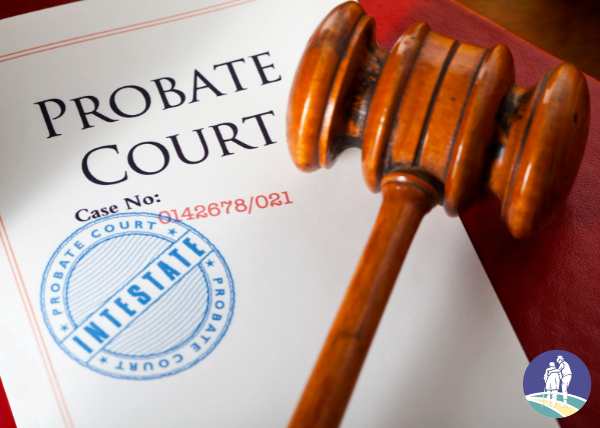
Hiring a probate lawyer does come with associated fees, typically paid from the estate's assets. However, the assistance and expertise they provide often outweigh the cost, especially in complex cases.
In conclusion, while you may not always need a probate lawyer when there is no will, it's essential to consider the specific circumstances of the estate. Consulting with an attorney can provide peace of mind, streamline the probate process, and help ensure that your loved one's wishes, or the state's laws, are followed accurately and fairly. In these emotionally charged times, having a trusted legal professional can make a significant difference in managing the estate smoothly.