Your Top Resource For Seniors
Your Top Resource For Elder Abuse & Neglect
Probate court proceedings can be a daunting prospect, especially when there is no will to guide the distribution of assets. When someone passes away without a will, a legal situation known as "intestacy" occurs. In such cases, the state's laws dictate how the deceased person's estate will be divided among their heirs or beneficiaries. Let's delve into what typically happens in probate court in the absence of a will.
The first step in the probate process when there's no will is the appointment of an administrator. This is usually a family member or close relative who petitions the court to take on this role. If no one steps forward, the court may appoint a neutral third party.
The court will determine who the legal heirs are. This is usually based on a predetermined order of priority, such as surviving spouses, children, parents, and siblings. The exact order can vary by state law.
The administrator is responsible for creating an inventory of the deceased person's assets and having them appraised. This step is crucial for determining the total value of the estate.
Before any assets can be distributed to heirs, outstanding debts and taxes must be paid from the estate's assets. This includes funeral expenses, outstanding bills, and any estate taxes.
Once debts are settled, the remaining assets are distributed according to the state's intestacy laws. This means that assets may be divided equally among legal heirs, or they may follow a predetermined hierarchy based on the relationship to the deceased.
Throughout the probate process, the court will oversee the actions of the administrator to ensure that everything is carried out according to the law. This oversight can help protect the interests of the heirs and creditors.
The costs associated with probate, including court fees, legal fees, and appraisal expenses, are typically paid from the estate's assets, reducing the overall inheritance for the heirs.
The probate process can be time-consuming and complex, especially without a will to provide clear guidance. It may take several months or even years to complete.
In summary, when there is no will, the probate court will follow the laws of intestacy to determine how to distribute the deceased person's assets. While this process ensures a structured approach to asset distribution, it may not align with the decedent's specific wishes. To avoid intestacy and ensure that your assets are distributed according to your preferences, it's essential to create a valid will or other estate planning documents. Consulting with a probate attorney or estate planning attorney can help you navigate these important decisions and potentially simplify the probate process for your loved ones.
Losing a loved one is always a challenging and emotional time, and dealing with their estate can add another layer of complexity. If your loved one passed away without a will, a common question arises: Do you need a probate lawyer? While you may not always need a probate lawyer if there is not a will, there are some considerations before making the decision. Let's explore this topic and understand the role of a probate lawyer when there is no will.
Probate is the legal process of administering a deceased person's estate. It involves identifying and gathering the deceased's assets, paying debts and taxes, and distributing the remaining assets to heirs or beneficiaries.
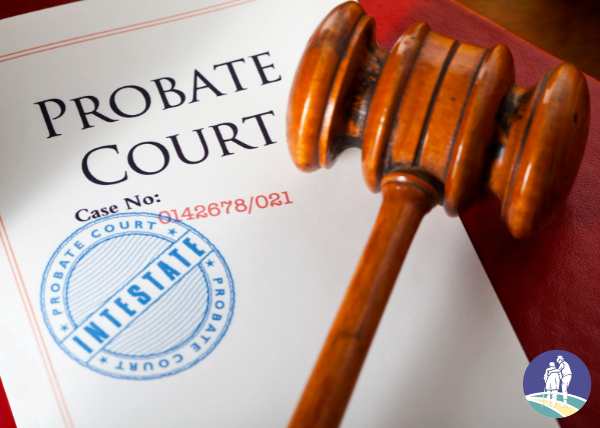
If your loved one passed away without a will (intestate), the state's laws will dictate how their assets are distributed. While you may think this simplifies the process, it can still be quite intricate, depending on the size and complexity of the estate. One of the most significant drawbacks of intestate succession is the lack of control over asset distribution. Without a will, you can't specify how your property and assets should be divided among your heirs or beneficiaries. Intestate succession may also lead to higher taxes and limited protection for minor children or disabled beneficiaries.
Hiring a probate lawyer does come with associated fees, typically paid from the estate's assets. However, the assistance and expertise they provide often outweigh the cost, especially in complex cases.
In conclusion, while you may not always need a probate lawyer when there is no will, it's essential to consider the specific circumstances of the estate. Consulting with an attorney can provide peace of mind, streamline the probate process, and help ensure that your loved one's wishes, or the state's laws, are followed accurately and fairly. In these emotionally charged times, having a trusted legal professional can make a significant difference in managing the estate smoothly.
On average, probate can take anywhere from several months to a year or more. However, probate duration can vary widely depending on several factors, including the complexity of the estate, local laws, court schedules, and potential disputes. While there's no fixed timeline for probate, we can provide some general insights to give you an idea.
Probate is a legal process that involves validating and administering a person's will after their death. It is overseen by the court to ensure that the deceased person's assets are distributed according to their wishes and applicable laws. The probate process involves several steps, which contributes to how long the probate process may take.

There are multiple factors that may contribute to the probate process timeline.
Smaller estates with fewer assets and clear beneficiaries might move through probate more quickly than larger estates with multiple properties, investments, and beneficiaries.
Assets that require appraisal, such as real estate or valuable collectibles, can add time to the probate process. Additionally, if an estate includes assets in multiple states, it may extend the timeline due to varying state laws.
Probate allows creditors to make claims against the estate. Settling these claims can impact the duration, especially if disputes arise.
If beneficiaries or family members contest the will, the probate process can be significantly delayed.
Court schedules and caseloads can affect the timeline. Some jurisdictions have backlogs, while others may process cases more swiftly.
The executor's diligence in fulfilling their responsibilities, such as gathering assets, notifying beneficiaries, and paying debts, can impact the timeline.
Probate laws vary by state, and some states have streamlined procedures that can expedite the process.
Probate may sometimes be avoided under some circumstances, including joint tenancy ownership of an asset, having a trust, or designating beneficiaries. It's important to note that estate planning should be tailored to your specific circumstances and goals. While these methods can help avoid probate, they may not be suitable for everyone.
It's essential to consult with an experienced probate attorney to navigate the process efficiently. While it's impossible to predict an exact timeline, having professional guidance can help you understand the unique aspects of your situation and work toward a timely resolution.
Navigating legal matters can sometimes feel overwhelming, especially when it comes to elder law and planning for the future. We're here to help simplify complex topics. Today, let's dive into the essential concept of "probate," shedding light on what it is and why it matters in planning for a loved one's or your future.
Probate is a legal process that takes place after someone passes away. It involves validating the deceased person's will (if there is one), settling debts, and distributing their assets according to their wishes or state laws. Let's break it down step by step.
We believe in empowering seniors with knowledge about why probate matters and how it can impact you and your loved ones. Here are just a few reasons why probate matters for you, your assets, and your family.
Probate is the mechanism that legally confirms the authenticity of your will. This ensures that your final wishes are recognized and honored.
A well-executed probate process can help prevent disputes among family members and beneficiaries. It offers a transparent platform to address any concerns or challenges.
Properly executed probate can help expedite the transfer of assets, reducing delays for beneficiaries.
Having a structured probate process ensures that your estate is managed efficiently and according to your wishes. An experienced elder law attorney can guide you through the complexities.
There may be multiple people involved in the probate process. Understanding their roles is crucial for comprehending how the process works.
The executor, also known as the personal representative, is a key figure in the probate process. This individual is typically designated in the deceased person's will and is responsible for overseeing the estate's administration. Their responsibilities include filing the will with the probate court, managing the deceased person's assets during the probate process, paying off debts and settling financial obligations, and distributing assets to beneficiaries as outlined in the will.
In cases where there is no will (intestate), the court appoints an administrator to handle the probate process. The administrator is typically the spouse, domestic partner, or close relative of the deceased individual. The administrator's duties are similar to those of an executor, including asset management, debt settlement, and asset distribution. The key distinction is that the administrator follows the state's intestate succession laws to determine asset distribution.
A probate attorney is a legal professional who specializes in navigating the intricacies of the probate process. Their role is to provide legal guidance and support to executors, administrators, and beneficiaries.
Beneficiaries are individuals or entities named in the deceased person's will to receive a share of the estate's assets. Their role involves understanding their rights as beneficiaries, providing necessary information to the executor or administrator, and receiving their rightful share of the estate's assets once probate is complete.
Creditors are individuals or entities to whom the deceased person owed debts. Their role involves submitting claims to the estate for repayment of outstanding debts, participating in the probate process to ensure their claims are addressed, and receiving payment from the estate in accordance with the priority set by law.

Probate is not always required, and understanding the circumstances under which it can be bypassed is crucial. If the assets were jointly owned with right of survivorship, these assets may be passed on outside of probate. Additionally, if there is a valid living trust, assets held within this trust are managed by the trustee and may bypass probate. Probate may be required if there aren't any valid wills or trusts, or for estates with multiple beneficiaries, debts, or disputes. There are benefits to avoiding probate, and it's recommended to seek legal advice to ensure your loved one's estates are distributed properly.
Dealing with the legal aspects of probate can be complex and overwhelming, especially during an emotional time. Hiring a probate lawyer can make a significant difference in navigating this process efficiently. Here are some considerations to decide if hiring a probate lawyer is right for you.
Probate laws can vary by state and can be intricate. A probate lawyer brings in-depth knowledge to ensure that the process adheres to legal requirements.
A probate lawyer helps identify and settle outstanding debts, ensuring that creditors are dealt with appropriately and protecting beneficiaries' interests.
From filing court documents to managing intricate paperwork, a probate lawyer handles the administrative details with precision.
Whether the deceased had a will or not, a lawyer ensures that assets are distributed in accordance with legal guidelines and the deceased's intentions.
If a will is contested or a conflict arises, a probate lawyer will provide a strong legal foundation to address challenges effectively.
A probate lawyer streamlines the process, helping to avoid unnecessary delays and ensuring that matters progress as smoothly as possible.
Having a probate lawyer by your side offers reassurance during an emotionally trying time. They can provide clear explanations and guidance.
Hiring a probate lawyer is not just about navigating legal complexities; it's about ensuring that your loved one's legacy is handled with care and respect. With their expertise, you can focus on honoring your loved one's memory while leaving the legal complexities to the professionals.
Understanding probate is crucial for planning your estate and ensuring your loved ones are taken care of. At Senior Advocate Center, we're here to empower you with knowledge and connect you to the resources you need. Remember, we're your partners in simplifying the complexities of elder law. Stay tuned for more informative articles.