Your Top Resource For Seniors
Your Top Resource For Elder Abuse & Neglect
Pets bring immense joy and companionship to our lives. However, many pet owners overlook the importance of including their pets in their estate planning. Having a will for your pet may not be something you have considered, but it can provide peace of mind and ensure that your pet is taken care of in the unfortunate event of your passing. We'll explore the various reasons why having a will for your pet is crucial and why you should consider it as part of your overall estate plan.
A pet will is a legal arrangement designed to ensure the ongoing care and well-being of your beloved pets in the event of your incapacitation or passing. It allows you to specify detailed instructions regarding the care, living arrangements, and financial provisions for your pets, offering peace of mind that they will be looked after according to your wishes.
At Senior Advocate Center, we understand the profound bond between seniors and their pets. That's why we're here to answer your questions about pet wills. So, how do you know if you really need a will for your pet?

The hardest part in planning for your future is getting started. There is never really a right time to start planning, so we've put together some key indicators that it's time to create a will for your companion.
If you or your pet is entering the senior years, or if your pet has health concerns, it may be time to create a pet will. This ensures that, in the event of your absence, your pet receives the specific care and attention they require, such as medical or dietary needs.
If you don't have immediate family members or trusted friends who can commit to caring for your pet, a pet will becomes crucial. Designating a reliable caretaker ensures your pet is in good hands, even if your circumstances change.
Managing the care of multiple pets can be challenging, especially if each has unique needs. A pet will allows you to outline specific care instructions for each pet, considering their individual preferences and requirements.
Including your pet in your estate planning is beneficial for your well-being. By addressing their future care, you provide yourself with peace of mind and a sense of security regarding your entire family, including your furry companions.
If you have concerns about being unable to fulfill your caregiving role, a pet will allows you to designate a trusted individual who can step in and continue providing love and care for your pet.
If any of these signs resonate with you, it may be the right time to consider creating a pet will. If you're unsure of where to start, consider contacting an estate planning attorney who specializes in pet wills and pet trusts.
If you're ready to get started on drafting your pet will, you may be wondering what to include in it. While a specialized attorney can assist you with this, here are some starter points to consider:
When drafting any legal document, it's crucial to ensure that the document abides by state laws. This may include witnesses and signatures. An attorney can go more into detail about what is required for your pet's will.
Don't leave the future of your pet up to chance. Take charge and contact Senior Advocate Center today. We'll partner you with one of the attorneys that we work with for a free consultation.
As pet owners, we often consider our furry friends as part of the family. So, what happens to them when we're no longer around? Planning for the future of our pets is just as important as planning for our own estate. When it comes to planning for your pet's future, it's crucial to consider the different options available. Pet trusts and pet wills offer distinct advantages and considerations, allowing you to tailor your plan to best suit your pet's unique needs. By understanding the differences between these two approaches, you can make an informed decision that ensures your pet's continued care and happiness. In the following sections, we will explore the characteristics and benefits of both pet trusts and pet wills, helping you determine which option is the most suitable for your beloved pet.
A pet trust is a legally binding document that allows you to set aside funds and provide instructions for the care of your pet after your passing. With a pet trust, you appoint a trustee who will manage the funds and ensure that your pet's needs are met. The trustee can be a family member, friend, or even a professional pet caregiver. By creating a pet trust, you can specify the type of care you want for your pet, including dietary needs, medical care, and even living arrangements. This ensures that your pet receives the same level of care and attention they are accustomed to.
One of the main advantages of a pet trust is that it provides long-term care for your pet. Unlike a pet will, which only takes effect after your passing, a pet trust can be activated if you become incapacitated or are unable to care for your pet due to unforeseen circumstances. This ensures that your pet's needs are immediately addressed, even during your lifetime.
A pet will, on the other hand, is a document that designates a new owner for your pet after your passing. In a pet will, you can specify who you want to take care of your pet and any specific instructions regarding their care. Unlike a pet trust, a pet will does not involve the creation of a separate legal entity or the set aside of funds. Instead, it simply transfers ownership of your pet to the designated individual.
A pet will is a simpler and more cost-effective option compared to a pet trust. It does not require the services of an attorney, making it more accessible for individuals with limited resources. However, it's important to note that a pet will does not provide the same level of control and oversight as a pet trust. Once ownership is transferred, the new owner has full discretion over the care and welfare of your pet.
When it comes to planning for your pet’s future, it’s important to consider both pet trusts and pet wills. Each option provides distinct advantages and considerations that should be taken into account when making your decision. Ultimately, the best option for you and your pet will depend on your individual circumstances. To help you choose, we've put together some pros and cons of both.
When deciding between a pet trust and a pet will, it's essential to consider your pet's needs, your preferences, and the level of control and detail you wish to establish for their care and well-being. Consulting with an estate planning attorney can help you choose the option that best suits your circumstances and ensures your pet's continued care according to your wishes.

Without making plans for your pet in the event of your passing, they may end up in a shelter or worse. Depending on where you live, if no family members or friends are willing to take them in, your pet could become homeless. Worse yet, without having designated funds set aside for their care, your pet may not receive the care they need unless family members or friends can step in and help. To ensure your pet’s well-being, it is essential to make plans for their care and provide necessary funding through a trust or will. Speak with an experienced estate planning attorney to get started on your plans, and ensure your loved ones are taken care of, including your furry ones.
Senior Advocate Center provides legal tips and assistance to seniors and their families on a range of issues, such as estate planning, wills, trusts, power of attorney, long-term care planning, guardianship and conservatorship, elder law litigation, and more. We work with experienced attorneys who are dedicated to helping seniors understand their legal rights and responsibilities and make informed decisions about their financial and personal matters. Contact us today to learn more about how we can help you protect your loved ones, including your pets.
Discovering that a family member may be hiding a will is a challenging and sensitive situation, especially during times when clear communication and transparency are crucial. Dealing with these circumstances can be emotionally draining, and you may have many questions about how to navigate this complex issue. In this comprehensive guide, we will address the concerns and uncertainties that arise when a family member is suspected of concealing a will, as well as tips for what to do.
Hiding a will can indeed have legal implications. When someone intentionally conceals or withholds a will, it can raise concerns about the deceased's wishes not being properly executed. The legalities surrounding this matter can vary depending on jurisdiction, but some common legal issues related to hiding a will include:
If the person hiding the will is the executor, they have a fiduciary duty to act in the best interests of the deceased's estate and beneficiaries. Hiding the will can be seen as a breach of this duty.
Beneficiaries who believe a will is being hidden or altered may contest the will in court. Contesting a will involves challenging its validity, and this can lead to legal proceedings.
If it's suspected that the will was hidden due to concerns about forgery or fraud, it can result in criminal charges. This includes situations where a family member might forge a new will or manipulate the existing one.
If the original will is hidden, the deceased's estate may be handled as if there is no will, which is called dying intestate. This can lead to a distribution of assets according to state laws, which may not align with the deceased's actual wishes.
Concealing a will can affect property rights, particularly if the deceased owned real estate. Resolving these issues often requires legal intervention.
If you suspect that a family member is hiding a will, it's important to take appropriate steps to address the situation and ensure that the deceased's wishes are respected. Here's a general guide on what to do:
It's essential to approach this situation with care, as family dynamics can be emotionally charged. Seeking legal advice early in the process can help you understand your rights and options, ensuring that the deceased's wishes are properly honored.

Suspecting that a family member is hiding a will can be a delicate and concerning situation. While these signs don't conclusively prove that someone is hiding a will, they may warrant further investigation and consideration:
If you suspect that a family member is hiding a will, it's crucial to approach the situation with caution and seek legal advice.
If you suspect that a family member is hiding a will, it's generally advisable to consult with an attorney, especially if you believe that the situation involves foul play, undue influence, or potential legal issues. Here are some reasons why you should consider getting a lawyer:
Estate matters and wills can be legally complex. An attorney who specializes in estate planning and probate can provide you with valuable legal guidance, ensuring that you understand your rights and the proper steps to take.
An attorney can offer objective advice and advocate on your behalf without being emotionally involved, which can be crucial in emotionally charged family situations.
If there are concerns about the will's validity or potential wrongdoing, an attorney can help you gather and preserve evidence that may be necessary if the situation escalates to a legal dispute.
If the suspected family member refuses to cooperate or if there are disputes over the will, your attorney can help you explore legal remedies, such as petitioning the court to compel the production of the will or challenging the will's validity.
In some cases, an attorney can facilitate mediation between family members to reach an amicable resolution, reducing the need for costly and emotionally draining litigation.
An attorney will ensure that any actions taken to locate the will or address the situation comply with applicable laws and regulations.
Your attorney's primary duty is to protect your legal interests and ensure that the deceased's wishes, as expressed in the will, are properly followed.
Keep in mind that every situation is unique, and the need for legal representation may vary depending on the specific circumstances. Consulting with an attorney experienced in estate matters can help you make an informed decision and take the appropriate steps to address the situation effectively and legally.
As a beneficiary of a will, you have certain legal rights, even if you suspect that a family member is hiding the will. While these rights can vary based on your jurisdiction and the specific circumstances, here are some common rights that beneficiaries typically have:
If you suspect a family member is hiding the will, it's crucial to approach the situation lightly, yet diligently. Consider speaking to a legal professional to help you navigate this situation and ensure your loved one's wishes are carried out the way they intended.
Losing a loved one is always a challenging and emotional time, and dealing with their estate can add another layer of complexity. If your loved one passed away without a will, a common question arises: Do you need a probate lawyer? While you may not always need a probate lawyer if there is not a will, there are some considerations before making the decision. Let's explore this topic and understand the role of a probate lawyer when there is no will.
Probate is the legal process of administering a deceased person's estate. It involves identifying and gathering the deceased's assets, paying debts and taxes, and distributing the remaining assets to heirs or beneficiaries.
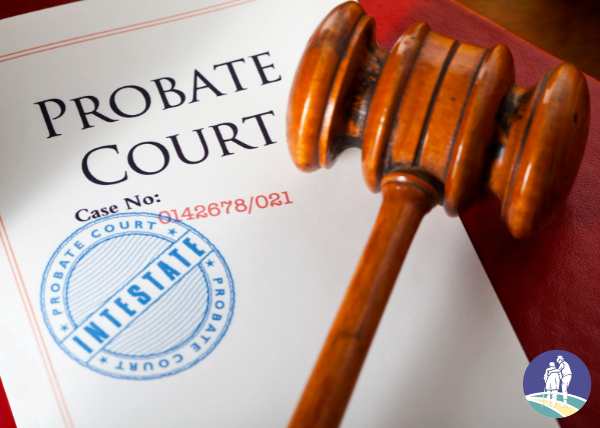
If your loved one passed away without a will (intestate), the state's laws will dictate how their assets are distributed. While you may think this simplifies the process, it can still be quite intricate, depending on the size and complexity of the estate. One of the most significant drawbacks of intestate succession is the lack of control over asset distribution. Without a will, you can't specify how your property and assets should be divided among your heirs or beneficiaries. Intestate succession may also lead to higher taxes and limited protection for minor children or disabled beneficiaries.
Hiring a probate lawyer does come with associated fees, typically paid from the estate's assets. However, the assistance and expertise they provide often outweigh the cost, especially in complex cases.
In conclusion, while you may not always need a probate lawyer when there is no will, it's essential to consider the specific circumstances of the estate. Consulting with an attorney can provide peace of mind, streamline the probate process, and help ensure that your loved one's wishes, or the state's laws, are followed accurately and fairly. In these emotionally charged times, having a trusted legal professional can make a significant difference in managing the estate smoothly.
Navigating legal matters can sometimes feel overwhelming, especially when it comes to elder law and planning for the future. We're here to help simplify complex topics. Today, let's dive into the essential concept of "probate," shedding light on what it is and why it matters in planning for a loved one's or your future.
Probate is a legal process that takes place after someone passes away. It involves validating the deceased person's will (if there is one), settling debts, and distributing their assets according to their wishes or state laws. Let's break it down step by step.
We believe in empowering seniors with knowledge about why probate matters and how it can impact you and your loved ones. Here are just a few reasons why probate matters for you, your assets, and your family.
Probate is the mechanism that legally confirms the authenticity of your will. This ensures that your final wishes are recognized and honored.
A well-executed probate process can help prevent disputes among family members and beneficiaries. It offers a transparent platform to address any concerns or challenges.
Properly executed probate can help expedite the transfer of assets, reducing delays for beneficiaries.
Having a structured probate process ensures that your estate is managed efficiently and according to your wishes. An experienced elder law attorney can guide you through the complexities.
There may be multiple people involved in the probate process. Understanding their roles is crucial for comprehending how the process works.
The executor, also known as the personal representative, is a key figure in the probate process. This individual is typically designated in the deceased person's will and is responsible for overseeing the estate's administration. Their responsibilities include filing the will with the probate court, managing the deceased person's assets during the probate process, paying off debts and settling financial obligations, and distributing assets to beneficiaries as outlined in the will.
In cases where there is no will (intestate), the court appoints an administrator to handle the probate process. The administrator is typically the spouse, domestic partner, or close relative of the deceased individual. The administrator's duties are similar to those of an executor, including asset management, debt settlement, and asset distribution. The key distinction is that the administrator follows the state's intestate succession laws to determine asset distribution.
A probate attorney is a legal professional who specializes in navigating the intricacies of the probate process. Their role is to provide legal guidance and support to executors, administrators, and beneficiaries.
Beneficiaries are individuals or entities named in the deceased person's will to receive a share of the estate's assets. Their role involves understanding their rights as beneficiaries, providing necessary information to the executor or administrator, and receiving their rightful share of the estate's assets once probate is complete.
Creditors are individuals or entities to whom the deceased person owed debts. Their role involves submitting claims to the estate for repayment of outstanding debts, participating in the probate process to ensure their claims are addressed, and receiving payment from the estate in accordance with the priority set by law.

Probate is not always required, and understanding the circumstances under which it can be bypassed is crucial. If the assets were jointly owned with right of survivorship, these assets may be passed on outside of probate. Additionally, if there is a valid living trust, assets held within this trust are managed by the trustee and may bypass probate. Probate may be required if there aren't any valid wills or trusts, or for estates with multiple beneficiaries, debts, or disputes. There are benefits to avoiding probate, and it's recommended to seek legal advice to ensure your loved one's estates are distributed properly.
Dealing with the legal aspects of probate can be complex and overwhelming, especially during an emotional time. Hiring a probate lawyer can make a significant difference in navigating this process efficiently. Here are some considerations to decide if hiring a probate lawyer is right for you.
Probate laws can vary by state and can be intricate. A probate lawyer brings in-depth knowledge to ensure that the process adheres to legal requirements.
A probate lawyer helps identify and settle outstanding debts, ensuring that creditors are dealt with appropriately and protecting beneficiaries' interests.
From filing court documents to managing intricate paperwork, a probate lawyer handles the administrative details with precision.
Whether the deceased had a will or not, a lawyer ensures that assets are distributed in accordance with legal guidelines and the deceased's intentions.
If a will is contested or a conflict arises, a probate lawyer will provide a strong legal foundation to address challenges effectively.
A probate lawyer streamlines the process, helping to avoid unnecessary delays and ensuring that matters progress as smoothly as possible.
Having a probate lawyer by your side offers reassurance during an emotionally trying time. They can provide clear explanations and guidance.
Hiring a probate lawyer is not just about navigating legal complexities; it's about ensuring that your loved one's legacy is handled with care and respect. With their expertise, you can focus on honoring your loved one's memory while leaving the legal complexities to the professionals.
Understanding probate is crucial for planning your estate and ensuring your loved ones are taken care of. At Senior Advocate Center, we're here to empower you with knowledge and connect you to the resources you need. Remember, we're your partners in simplifying the complexities of elder law. Stay tuned for more informative articles.
When a person passes away, their final testament, known as a will, becomes a crucial document. The will outlines how the deceased individual's assets and estate should be distributed amongst their beneficiaries. At the heart of this process is the executor, a person or institution named in the will, responsible for managing the estate and ensuring the wishes of the deceased are carried out.
An executor is a person or entity appointed in a will to carry out the instructions and wishes of the deceased individual. They are responsible for managing and distributing the assets of the estate, paying any outstanding debts or taxes, and ensuring that the final wishes of the deceased are fulfilled. Executors have a legal and fiduciary duty to act in the best interests of the estate and its beneficiaries.

A will is a legal document that outlines how a person's assets and property should be distributed after their death. It allows individuals to specify who will inherit their belongings and can also include instructions for other matters such as guardianship of minor children and funeral arrangements. A will is an important tool for ensuring that a person's wishes are carried out and can help prevent disputes among family members.
However, being an executor is not a blank check to do anything they wish with the deceased's estate. There are certain things that an executor cannot do.
The will is the final voice of the deceased, and it provides explicit instructions on how the person's estate should be handled and to whom it should go. The executor cannot simply disregard these instructions. They must distribute assets exactly as the will dictates, even if they personally disagree with the terms of the will. Failing to follow the will can result in legal action against the executor.
When someone passes away, certain parties must be notified. This can include beneficiaries named in the will, creditors of the deceased, and in some cases, government institutions. The executor is responsible for making these notifications. They cannot fail to do so or selectively choose who to notify.
Executors are expected to communicate with the beneficiaries and keep them informed about the process. They cannot withhold information, such as the value of the estate, the assets it contains, or how long the process is expected to take. Beneficiaries are legally entitled to this information.
Executors are obligated to act in the best interests of the estate and its beneficiaries. This is called a fiduciary duty. They cannot mismanage the estate, whether intentionally or through negligence. Mismanagement might include failing to pay taxes, not protecting assets, or otherwise making decisions that result in loss to the estate or the beneficiaries. If the executor mismanages the estate, they could be held legally responsible for any losses.
The role of an executor is to act in the best interest of the estate and its beneficiaries, not to enrich themselves. Unless the will specifically states that the executor is to receive a certain asset or benefit, they cannot take anything from the estate for their personal use.
Before assets can be distributed to beneficiaries, any outstanding debts and taxes must be paid from the estate. An executor cannot simply ignore these financial obligations. Failing to settle debts and taxes can result in personal liability for the executor.
Once an executor has accepted the role, they are obliged to see it through to completion. They cannot simply change their mind and decide not to act. If they find they cannot or do not want to perform their duties, they must formally renounce their role, and a replacement executor must be appointed.
As much as the role of an executor of a will is accompanied by significant limitations and restrictions, it also comes with certain powers and duties. An executor is a person named in the will of a deceased individual to manage their estate. They are responsible for carrying out the deceased's final wishes regarding the disposal of their property and possessions.
The executor has the right to collect and take control of the deceased's assets. This includes everything from real estate and vehicles to bank accounts, securities, personal belongings, and more. The executor is responsible for safeguarding these assets until they can be distributed to the beneficiaries or used to pay off any debts.
Executors have the authority to manage the financial affairs of the estate. This includes paying ongoing bills, cancelling credit cards, setting up estate bank accounts, and continuing necessary insurance policies. In essence, they step into the shoes of the deceased to manage these day-to-day financial affairs.
One of the primary responsibilities of an executor is to use the assets of the estate to pay off any outstanding debts and taxes. The executor has the power to sell estate assets to cover these obligations if necessary. Executors also file the final personal income tax return for the deceased and the estate tax return, if applicable.
Once debts and taxes have been paid, the executor has the power to distribute the remaining assets to the beneficiaries according to the instructions outlined in the will. They may need to sell assets (like property or stocks) to do this or transfer assets directly to the beneficiaries.
An executor isn't expected to do everything themselves. They have the power to hire professionals such as lawyers, accountants, real estate agents, and others to help manage the estate. These expenses are paid from the estate.
Should any disputes arise among the beneficiaries regarding the will or distribution of assets, the executor has the authority to mediate and help resolve these disputes. In more complex situations, they may need to seek court intervention to resolve these issues.
If necessary, executors can represent the estate in court. This may occur if there are legal disputes about the will or if a beneficiary or creditor sues the estate.
In conclusion, while an executor holds significant responsibility and power in managing and distributing a deceased person's estate, there are numerous legal and ethical constraints that they must adhere to. Failing to do so can lead to serious legal consequences. Understanding these limitations helps keep the process fair and ensures the deceased's final wishes are respected.
Creating a will is a crucial step in estate planning. Yet, many people put it off, thinking they don't need one or that it's too morbid to think about. However, the truth is that having a will can provide peace of mind for you and your family. In this article, we will explore the importance of having a will, the consequences of not having one, and how to go about creating one. By the end of this article, you'll understand why creating a will is a responsible and necessary step in securing your assets and protecting your loved ones.

As you age, having a will becomes increasingly important for several reasons:
A will is a legal document that outlines how your assets should be distributed after your death. Without a will, your assets may be distributed according to state laws, which may not align with your wishes. Having a will ensures that your assets are distributed as you intend, and can prevent family disputes over who gets what.
Probate is the legal process that takes place after a person dies, where their assets are distributed and debts are paid. Having a will can help to simplify and expedite the probate process, which can save time and money for your loved ones.
Depending on the value of your estate, your heirs may be required to pay estate taxes. A will can help to minimize these taxes by allowing you to make gifts to your heirs or to a charitable organization.
Having a will can provide you with peace of mind, knowing that your affairs are in order and that your wishes will be carried out after your death.
Overall, having a will is important at any age, but becomes increasingly critical as you age and your estate and family circumstances become more complex. It's a good idea to consult with an attorney to ensure that your will meets your specific needs and is legally binding.
Getting a will in place is an essential part of estate planning, as it allows you to determine how your assets will be distributed after your death and who will be responsible for managing your affairs. Here are the steps you can take to get a will in place:
Start by making a list of all your assets, including property, investments, and personal possessions. This will help you determine how you want to distribute your assets.
Decide who you want to inherit your assets and how much each person should receive. You can also name alternate beneficiaries in case your primary beneficiaries are unable to inherit.
An executor is responsible for managing your estate after your death, including distributing your assets and settling any outstanding debts. Choose someone you trust to act as your executor and discuss the responsibilities with them beforehand.
Consult with an experienced estate planning attorney to help you draft a will that accurately reflects your wishes and complies with state laws. The attorney can also advise you on other estate planning documents, such as a power of attorney and a living will.
Once your will is drafted, sign it in the presence of witnesses and a notary public, as required by state law.
Store your original will in a secure location, such as a safe deposit box or a fireproof safe. Make sure your executor knows where to find it and keep a copy for yourself.
Review your will periodically to ensure it still reflects your wishes and make any necessary updates if your circumstances change, such as the birth of a child or a change in marital status.
By taking these steps, you can ensure that your wishes are carried out after your death and that your assets are distributed according to your desires.
A will is a legal document that outlines how you want your assets to be distributed after you pass away. It is important to have a will to ensure that your wishes are carried out and that your loved ones are taken care of.
Anyone who is of legal age and sound mind can create a will. This means that you must be at least 18 years old and mentally capable of making decisions.
A will should include instructions for distributing your assets, the name of an executor to handle your affairs after you pass away, and any specific requests you may have, such as funeral arrangements.
An executor is the person named in your will who will be responsible for carrying out your wishes after you pass away. They will manage your estate, pay off any debts, and distribute your assets to your beneficiaries.
If you die without a will, your assets will be distributed according to your state's laws of intestacy. This means that your assets may not go to the people you would have chosen and the process may take longer and cost more.
You should update your will whenever there is a major life event, such as a marriage, divorce, birth of a child, or death of a loved one. It is also a good idea to review your will every few years to ensure that it still reflects your wishes.
Estate planning is the process of creating a plan for the management and distribution of your assets after you pass away. This includes creating a will, naming beneficiaries for retirement accounts and life insurance policies, and potentially setting up trusts to protect assets.
A trust is a legal arrangement where a trustee manages assets on behalf of a beneficiary. Trusts can be used to provide for loved ones, minimize taxes, and protect assets from creditors or other legal issues.
There are several strategies for minimizing taxes on your estate, such as gifting assets during your lifetime, setting up trusts, and utilizing estate planning tools like a marital deduction or a charitable trust.
While it is possible to create a will or estate plan without an attorney, it is generally recommended to work with a qualified estate planning attorney to ensure that your wishes are legally binding and that you have considered all relevant factors.
Inflation can have a significant impact on estate planning in various ways. Inflation refers to the rise in the prices of goods and services over time, which means that the value of money decreases. This decrease in the value of money can have implications for estate planning, including:
Inflation can increase the value of assets, which means that an estate that would not have been subject to estate taxes before may now be subject to them. Inflation can also cause estate tax rates and exemptions to change over time, affecting estate planning strategies.
Inflation can affect the value of assets held by an estate, such as real estate, investments, and retirement accounts. If the value of assets does not keep up with inflation, it can decrease the estate's overall value and reduce the amount of inheritance that beneficiaries receive.
Inflation can also affect gifting strategies, where individuals give away assets during their lifetime to reduce the size of their estate. The value of the gift may not be sufficient to cover the future cost of goods and services due to inflation, which means that the beneficiary may not receive as much benefit from the gift as intended.
To mitigate the impact of inflation on estate planning, it is essential to regularly review and update estate planning documents and strategies to ensure they align with changing economic conditions. This may include regularly updating the value of assets and adjusting gifting and tax strategies accordingly.
In conclusion, having a will is essential for ensuring that your wishes are carried out and your loved ones are taken care of after you pass away. Without a will, your assets may not go to the people you would have chosen, and the process of distributing your assets may be more time-consuming and costly. Creating a will may seem like a daunting task, but it is an important part of responsible estate planning.